Sign In
 Free Newsletter

NJ health care facilities to report daily PPE inventory, bed capacity
Anthony Vecchione//March 30, 2020//
NJ health care facilities to report daily PPE inventory, bed capacity
Anthony Vecchione//March 30, 2020//


Gov. Phil Murphy on Saturday signed Executive Order No. 111, directing health care facilities to report daily data concerning their capacity and supplies to the New Jersey Office of Emergency Management, beginning at 10 a.m. on March 29.
Facilities subject to this requirement include licensed acute care hospitals, long-term care facilities, hospital systems, and emergency field treatment medical facilities, with OEM having the ability to make additions or clarifications to the list. Data required to be submitted – such as bed capacity, ventilators and PPE – would be specified by OEM.
“Personal protective equipment for our frontline health care workers and first responders is critically important to fighting COVID-19,” said Murphy. “We must work within our health care networks to ensure that we are properly disbursing the personal protective equipment we receive from the national stockpile and donations proactively. Today’s executive order will allow us to more efficiently and effectively manage the flow of personal protective equipment as hospitals begin expanding their capacities to meet the need of more COVID-19 patients, and allow us to have constantly up-to-date data on bed capacity throughout the state.”
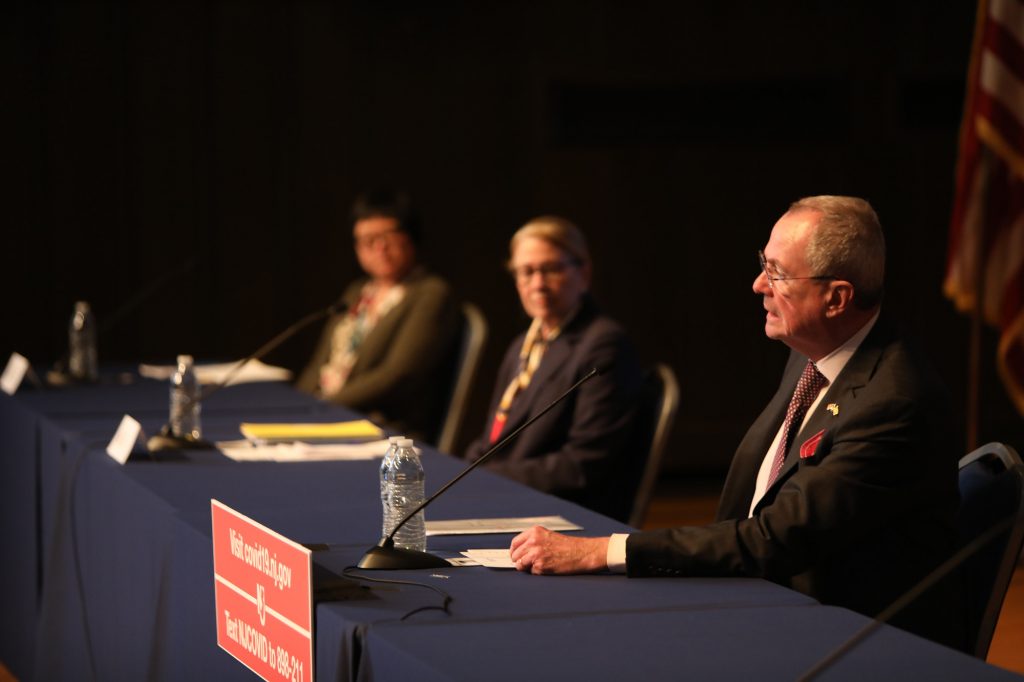
“This will be invaluable in order to manage the movement of patients, supplies and equipment and to make sure everyone gets the safest care that we can give,” said New Jersey Department of Health Commissioner Judith Persichilli.
In addition, on Saturday Murphy announced Bergen New Bridge Medical Center is now a designated drive-thru COVID-19 test center for symptomatic first responders and health care workers who have a doctor’s note.
As of Sunday, the Department of Health reported 13,386 total positive COVID-19 cases in the state and 161 total fatalities, NJDOH also reported a statewide total of 22,216 people who tested negative. The figure includes data reported by state labs, plus seven private laboratory entities, representing about 90 percent of private testing capacity in the state.