Sign In
Upcoming Event
 Free Newsletter

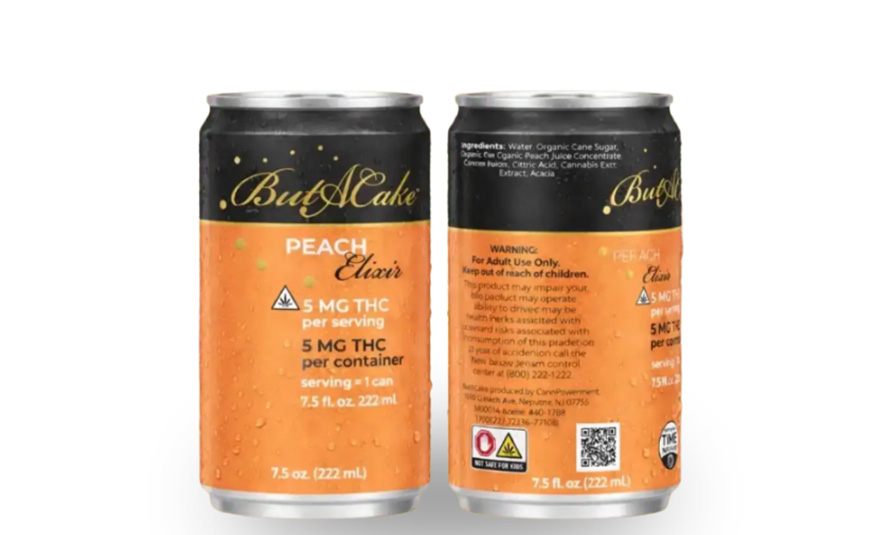
CannPowerment LLC's ButaCake Peach Elixir - PROVIDED BY NJCRC
CannPowerment LLC's ButaCake Peach Elixir - PROVIDED BY NJCRC
ButACake recalls THC beverages over packaging concerns
Kimberly Redmond//June 2, 2026//


The basics:
- ButACake recalls select Peach Elixir THC beverage batches over packaging issues
- Voluntary recall initiated by manufacturer CannPowerment LLC
- No adverse effects or product safety concerns reported
- Regulators, company investigating cause of packaging defects
Several batches of ButACake brand cannabis-infused beverages are being recalled over packaging issues, according to the New Jersey Cannabis Regulatory Commission.
In a May 29 notice, regulators said CannPowerment LLC’s voluntary recall applies to the following lots of ButACake’s Peach Elixir:
- 1A4110300009AB1000000598
- 1A4110300009AB1000000600
- 1A4110300009AB1000000866
- 1A4110300009AB1000000867
- 1A4110300009AB1000000869
The licensed Class 2 manufacturer initiated a recall out of caution after discovering “potential packaging and structural compromise” with the canned product. It is investigating the cause in coordination with the CRC, officials said.
To date, no adverse effects have been reported, according to the CRC.
Customers are advised to check the packaging label. Anyone with an affected product should retain the item and contact CannPowerment at [email protected] or their point of purchase.
Safety first

CannPowerment founder and CEO Matha Figaro told NJBIZ, “The issue involved a limited number of cans exhibiting packaging irregularities. Out of nearly 10,000 cans produced, fewer than 25 have been identified as potentially impacted. Out of an abundance of caution, we initiated a voluntary recall of select Peach Elixir batches while continuing to investigate alongside our suppliers, testing partners, and regulators.”
“To date, extensive testing has not identified a product safety concern, and the affected products have consistently met New Jersey’s required testing standards,” she said.
The recall comes about two months after CannPowerment began rolling out ButACake brand canned THC beverages to New Jersey dispensaries. There are currently two flavors on the market: Cherry Hibiscus Elixir and Peach Elixir.
The products are developed in partnership with edible cannabis ingredients company Azuca. They are marketed as a non-carbonated drink that delivers “reliable, repeatable effects with greater control over timing and dosage.”
According to ButACake and Azuca, each 7.5-fluid-ounce serving contains 5 milligrams of THC. In addition to clean-label ingredients, such as hibiscus extract, purified water and organic sugar cane, the CRC-compliant beverages are made with cannabis sourced in New Jersey, the partners said.
Finding a balance
Founded in 2016 as a baked treats company, ButACake began with Figaro selling non-infused cakes and sauces at farmers markets in Jersey City. After building a loyal following through scratch-made sweets, the woman-owned and minority-owned brand transitioned into New Jersey’s regulated market.

The longtime pastry chef also formed CannPowerment. The contract manufacturing, packaging and production solution serves cannabis brands looking to hit the shelves of stores. Since 2023, the venture stands as the state’s only black woman-owned operational manufacturer.
As chair of the New Jersey CannaBusiness Association’s manufacturing committee, Figaro works on policy and regulatory issues impacting manufacturers statewide.
While Figaro is supportive of “regulation, rigorous testing and regulatory oversight,” she told NJBIZ the ButACake recall highlights the need for frameworks that balance consumer protection with the realities of manufacturing.
Risk management
Figaro went on to note that packaging defects occur across consumer packaged goods industries and do not necessarily indicate a consumer safety issue. She also urged the CRC to adopt a “risk-based regulatory approach” that differentiates between confirmed safety threats and matters still under investigation.
Consumer protection and business stability are not mutually exclusive.
– Matha Figaro, CannPowerment founder and CEO
“Consumer protection and business stability are not mutually exclusive. New Jersey has an opportunity to build a framework that protects the public while avoiding unnecessary economic disruption to compliant businesses, retailers, employees and investors,” Figaro said.
“For small independent operators, particularly minority-owned businesses with limited access to capital … premature disruption can have consequences that are difficult or impossible to recover from,” she added. “The existence of a packaging defect is not unusual. The expectation of a zero-defect manufacturing environment is. The goal should always be to follow the science, understand the facts, protect consumers and allow businesses to continue operating unless and until the evidence demonstrates otherwise.”