Sign In
Upcoming Event
 Free Newsletter

Despite barriers, female entrepreneurs breaking the cannabis ‘grass ceiling’
Kimberly Redmond//March 25, 2024//

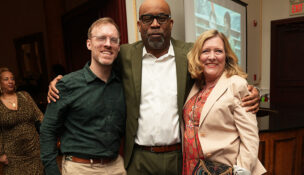
Dharshini Casinathen, co-owner of recreational dispensary Joyleaf in Roselle, said she feels that since the cannabis industry is “still relatively new … and evolving,” it is not “burdened by the same historical corporate structures and gender biases found in more established industries.”
Dharshini Casinathen, co-owner of recreational dispensary Joyleaf in Roselle, said she feels that since the cannabis industry is “still relatively new … and evolving,” it is not “burdened by the same historical corporate structures and gender biases found in more established industries.”
Despite barriers, female entrepreneurs breaking the cannabis ‘grass ceiling’
Kimberly Redmond//March 25, 2024//


The basics:
- Despite the male dominance of the cannabis industry, female entrepreneurs in New Jersey are making strides.
- NJBIZ spoke with some of the women involved in the sector about the highs – and lows – of this rapidly evolving space.
- Networking, mentorship and community-building are crucial for women entering the cannabis industry, these business owners say.
Though cannabis remains a male-dominated industry across the U.S., female entrepreneurs in the Garden State are making progress in breaking the so-called grass ceiling. Over the course of Women’s History Month, NJBIZ spoke with some of the women involved in the sector about the highs – and lows – of a rapidly evolving space that’s expected to surpass the $1 billion mark in revenue this year.

“Cannabis as a product and a market has yet to gain universal acceptance. And, while that may hinder the market in some ways, it also provides an opportunity for those who have unique views, identities and voices to be heard. I want to maximize the opportunities for those people,” said Chantelle Elsner, president of TerrAscend, a multistate operator that has nearly 40 dispensaries nationwide, including three in New Jersey (Lodi, Maplewood and Phillipsburg).
Elsner went on to say, “Nobody in this emerging market is comfortable saying ‘That’s how it’s always been done.’ That strategy, tactics, modalities and staffing are being reimagined is a benefit to anyone looking for unfettered opportunity. Women are as likely to take advantage of that diverse thinking as anyone. The real challenge is permanently enshrining that type of thinking into this business so that our model comes to be seen as the new prototype for success.”
There are many reasons why women are drawn to the industry. “Cannabis is in a lot of ways, a helping profession, and helping professions have historically been dominated by women,” said Francesca DeRogatis, chief operating officer of Bloomfield recreational dispensary Nightjar. “We help people live happier, more connected and fulfilled lives through the plant.”

“Whether you work in cultivation, manufacturing, retail or as an ancillary service provider, many of us do it because we believe in the power that cannabis has to help people from all walks of life,” added DeRogatis, who launched Nightjar in January with co-founders Amanda Rositano and Katie Covett.
Dharshini Casinathen, who co-owns recreational dispensary Joyleaf in Roselle with former FreshDirect founder and CEO Jason Ackerman, said she feels that since the cannabis industry is “still relatively new … and evolving,” it is not “burdened by the same historical corporate structures and gender biases found in more established industries.”
As a result, women have seized upon the numerous entrepreneurial opportunities that have opened up and innovated in areas like product development, retail and ancillary services, she said.
Casinathen also believes the cannabis industry – particularly in segments like medicinal and CDB – has a strong connection to health and wellness, an area where women have “historically been key consumers and advocates.”
That, in turn, “translates into their active involvement in developing, marketing and managing cannabis products that focus on health, wellness and natural remedies,” said Casinathen, a local resident, certified cannabis sommelier and CPA with over 20 years of experience at companies including PepsiCo and KPMG Canada.

Lynn Gefen, chief legal officer at TerrAscend, suspects women are getting involved in the space because they “relish challenges and thrive in diverse entrepreneurial environments.”
“The industry offers women the opportunity to showcase their entrepreneurial talents and play a pivotal and long-lasting role in building up the success of the industry. Plus, women are naturally nurturers so working in cannabis allows for that connection to be made,” said Gefen, who added, “The cannabis plant has provided so much good for people, and I think this resonates with a lot of women in the industry.”
She joined the cannabis giant after finding herself at a crossroads in her career. “I was ready to take on my next challenge both in terms of stepping into a bigger role and in taking on a diverse and complex role,” explained Gefen, whose background includes legal positions with HomeServe USA, Diageo and Citrix Systems.
“After a recruiter reached out to me about a job opportunity – that I didn’t take – I began to learn more about the industry. The more I learned, the more I realized that my personality and experience would be a great fit,” said Gefen. “Now, I’m two years in and have never worked harder, nor been more fulfilled.”
Standing tall
Only about 16% of cannabusinesses nationwide are women-owned – down from an average of 21% the past two years, according to a recently released survey of industry professionals by trade news publication Marijuana Business Daily. However, the percentage of women executives in the C-suite rose from 23% to 39% over the past year.
While the report said the forces behind the shifts in ownership and leadership will take time to understand, it speculated that a post-pandemic return to normalcy could be the cause. Shortly after the onset of the public health emergency in March 2020, women – whether by choice or not – exited cannabis leadership posts, the report said.
Given the growing awareness around a lack of diversity in the sector as a whole, New Jersey regulators have been trying to address it in several ways, such as prioritizing licenses for minorities, disabled veterans and women.

Now home to more than 100 legal dispensaries, New Jersey’s medicinal and recreational markets generated more than $800 million in combined sales last year.
Of the 1,600 licenses approved by the New Jersey Cannabis Regulatory Commission, more than 400 are for majority women-owned businesses. Of the 219 operating licenses issued, 59 of those enterprises are owned by women. While the majority of those ventures (51) are retail establishments, women also hold licenses for seven cultivation companies and one manufacturing business, the CRC reported.
During the CRC’s March 13 meeting, Executive Director of Diversity & Inclusion Wesley McWhite III noted that New Jersey women’s ownership rate is 36% — more than double the national average of 16%. “New Jersey can stand tall,” he said.
Casinathen attributes the trend in New Jersey to more men in the industry “acknowledging the importance of women’s contributions” and “actively facilitating their inclusion.” She also stressed the importance of networking and mentorship as playing a “critical role in providing clarity and support for women looking to make their mark in the cannabis industry.”
“This was my personal experience with Jason Ackerman, who recognized my potential and offered me a chance to pivot my career toward a leadership role in cannabis,” she explained. “His belief in my capabilities and his invitation to join him in the cannabis industry exemplifies the kind of support that is instrumental in creating an environment for women to navigate and succeed in cannabis.”
Continuing challenges
Across the U.S., the National Cannabis Industry Association believes it will take time to close the gap since women in cannabis typically have less access to funding and fewer resources than their white, male counterparts. They also continue to face sexual harassment and gender-based discrimination, the organization says.
DeRogatis said, “The cannabis industry is tough on everyone, regardless of gender. That said, cannabis has the same issues that women in a lot of industries face: pay inequality, diversity in leadership roles, access to capital and work-life balance. Women are some of the most creative, resilient and tenacious people I know in the business.”
At the same time, the industry is “under enormous pressure to perform financially, provide returns to investors, and to prove that it has staying power in the face of obstacles like [Internal Revenue Code Section] 280E and a near-monopoly of state markets by large corporate players,” she said. “Women will have to continue to fight for a seat at the table, for market share and for investor dollars.”
Casinathen said “Despite the progress and more welcoming attitudes, the industry remains predominantly male-dominated, presenting unique challenges for women. What I have learned along my journey, is the differences in value systems and business approaches between men and women can sometimes lead to misunderstandings and underestimation of women’s capabilities.
“Studies have shown that women’s leadership often embodies compassion and nurturing, qualities that may look and feel different from the traditional business models in the industry. These differences, however, should not be viewed as setbacks, I believe it is an opportunity to introduce diverse and innovative ways of conducting business. In these moments, we as women can overcome bias and maintain our confidence, which is essential for us women to navigate through these challenges,” she said.

As the industry evolves, participants are increasingly optimistic that the next generation will continue the progress. “I hope women pursuing careers in cannabis carve out a place for themselves,” DeRogatis said. “If you don’t see yourself in the industry, create the niche you’re looking for. We have such a unique opportunity to make a difference in the trajectory of a really young industry. The voice of female consumers everywhere needs you.”
Casinathen said, “My vision for women in the cannabis industry is one of empowerment and leadership, particularly in areas of women’s health. I hope the industry offers a platform for women to contribute significantly to research and development, especially concerning health benefits and therapeutic applications of cannabis.
“As more women enter and ascend within this space, I hope to see a shift toward greater gender balance and inclusivity. The goal is to foster an environment where women support each other, share knowledge, and create opportunities for future leaders,” she said.
Elsner commented, “If I’m looking ahead and trying to envision the best possible outcome for women, it is one of permanence.”
“The idea of women being equally represented, equally mentored, equally heard and equally valued should not live just in the present but must be permanently fixed as the best practice for Cannabis businesses,” she said. “I hope the same for any community that has been previously marginalized or underserved by business interests and the market at large.”
I hope women pursuing careers in cannabis carve out a place for themselves. If you don’t see yourself in the industry, create the niche you’re looking for.
– Francesca DeRogatis, Nightjar
When it comes to advice for women who wish to establish themselves in cannabis, DeRogatis urged them to “to get clear on your values and to really know who you’re getting into business with.”
“Nobody makes it alone – it truly takes a village. If your values aren’t aligned with your partners, vendors, investors, suppliers and customers, it’s going to be a very difficult road. It’s going to be difficult no matter what, so you may as well work with folks who share your vision and commitments,” she said.
Casinathen believes that building “a strong community is paramount for female entrepreneurs entering into the cannabis industry.”
“Attending events, engaging in networking, and fostering relationships with other women in the industry were critical steps I took to establish a solid foundation,” she explained. “In the cannabis community in particular, women not only serve as a support system but also as a source of inspiration, advice and encouragement. I truly believe that collaboration and mutual support among women can amplify our collective strength and influence in the industry. The success I’ve witnessed in gatherings dominated by women’s voices and ideas reaffirms the power of community.”
Elsner encouraged women to take risks. After being involved in the retail and hospitality industries, she was convinced to join a former colleague in helping build his cannabis-infused edibles brand.
“Cannabis dovetailed very cleanly with my hospitality experience since they are both service-oriented markets. I still view my position as one of service, service to my customers and clients, and service to my team,” she said.
Elsner also reiterated that cannabusiness “isn’t some ponderous, glacial entity, slow to change and slow to adapt” but one that is “fast and fluid.”
“That constant change means constant opportunities for innovation and creativity. It is very easy for a fresh idea to challenge the market since the status quo doesn’t exist. Be original, be authentic and bold,” she said.