Sign In
Upcoming Event
 Free Newsletter

ELEC-825: Construction continues during COVID-19 pandemic (updated)
David Hutter//April 2, 2020//


)

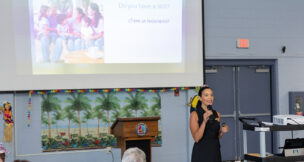
Katie Gibbs, a deputy director of Engineers Labor-Employer Cooperative 825, a labor-management fund that represents operating engineers and contractors, says that construction is continuing during the COVID-19 pandemic.
“The part of our job that is different is we are used to attending business and industry events and chamber of commerce events,” Gibbs told NJBIZ. “We get a lot of information that way.”
ELEC-825 represents more than 7,000 heavy equipment operators, mechanics and surveyors who offer productivity to contractors throughout New Jersey and five counties in New York’s Hudson Valley. During the COVID-19 pandemic governmental leaders at the state and federal levels have designated their work as “essential” and kept infrastructure construction sites operating.
The U.S. Congress passed a $2.2 trillion piece of legislation, the CARES Act, in response to the COVID-19 pandemic.
“The legislation impacts us,” Gibbs said. “If the economy is not growing, then our members are not going to work. These provisions are good for the industry. It is good to see bipartisan agreement around infrastructure. We need shovel-ready projects.”
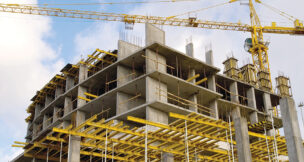
ELEC-825 represents people who work on infrastructure, roads, bridges, energy, water, telecommunications, and vertical structure work. Gibbs said that construction is permitted during the COVID-19 pandemic.
The economy sees a return on investment of 3 to 1 in New Jersey construction projects, Gibbs said.
“In New Jersey construction is really moving forward without interruption right now,” Gibbs told NJBIZ on Wednesday. “The fear in construction is you build your career on temporary projects. Every day you go to work, you are working yourself out of a job.”
Operating engineers can work safely because the work does not lend itself to congregating, Gibbs said. She wants to make sure that work continues without interruption.
The most urgent infrastructure project is the $14.3 billion Gateway tunnel and bridge replacement, and Gibbs says now is the time to move forward. She also said that New Jersey loses 30 percent of its drinking water due to leaks in the pipes and the state needs to update its gas mains.
The COVID-19 epidemic has provided a window of time to expedite projects because fewer people are driving on roads, she said.
Editor’s Note: Article was updated on April 2, 2020 at 12:23 p.m. EST to clarify the third paragraph and the specified union workers as essential.