Sign In
Upcoming Event
 Free Newsletter


PHOTO: DEPOSIT PHOTOS
PHOTO: DEPOSIT PHOTOS
2026 People to Watch in Healthcare (updated)
NJBIZ STAFF//July 13, 2026//


)

Many of the individuals on the NJBIZ People to Watch lists are actually quite difficult to watch while they are doing their jobs. But healthcare professionals are on the front lines of efforts to keep New Jerseyans healthy and save lives.
It is true that many of the honorees on this list do their jobs in offices and behind the scenes. But their organizations rely on their efforts just as much as they do the doctors, nurses, technicians, researchers and educators who work in emergency departments, operating rooms, laboratories and classrooms. All healthcare organizations require administrators, accountants and lawyers to keep all the systems running smoothly and efficiently.
The NJBIZ “watch” lists are designed to identify those individuals who contribute greatly to the success of their organizations but have not achieved the same level of public notice that their more prominent and experienced colleagues enjoy. Those contributions can come from a variety of professions, and the NJBIZ staff is always receptive to recommendations from folks in the field who have greater visibility into what makes successful organizations tick. So by all means, let us know about people we should be recognizing.
And let us know what you think of the choices reflected in the pages that follow. If we’ve chosen correctly, readers will see some of these names in future NJBIZ issues — perhaps in Power lists or among the ranks of our award winners. There are undoubtedly many more dedicated professionals – wearing stethoscopes or poring over spreadsheets – who deserve public accolades. We want to hear about them.
As always, honorees are listed alphabetically.
– Jeffrey Kanige
Email: [email protected]
Submit a recommendation
Know someone you think belongs on this list? Or maybe on one of our Power lists? Click here to submit a recommendation.
Methodology
The Power, In the Lead and People to Watch lists are compiled by the NJBIZ editorial staff based on our reporting throughout the past year with input from experts in a variety of fields and recommendations from our readers. The staff looks for people who have gained public attention – and perhaps acclaim – for their professional accomplishments and public service. Each list identifies individuals who, through their efforts, are helping to make New Jersey a better place to live, work and do business. Honorees are not necessarily better at their jobs than others in their profession, but they have contributed meaningfully to the advancement of the public interest through their work and/or community service.
2026 People to Watch in Healthcare
Kristy Alfano
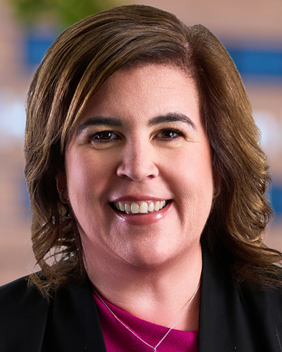 Interim CEO and president
Hunterdon Health, Flemington
What is your proudest professional achievement?
My most significant professional achievement lies in my enduring commitment to mentorship and the cultivation of talent within my organization. I take great pride in having identified and championed numerous individuals who entered the field in entry-level roles and have since ascended to significant professional heights. I view this pipeline of talent as foundational to the long-term sustainability of the healthcare sector. My leadership philosophy is rooted in relationships—anchored by authenticity, transparency, and strategic empowerment—which I believe is the primary driver for elevating care quality, safety, and the collective experience of our staff and community.
What do you foresee as the most disruptive change in healthcare in the coming year?
Healthcare systems nationwide are grappling with staffing shortages as the current workforce approaches retirement at an accelerated pace compared to new talent entering the field. … [T]he need to stabilize the workforce has never been greater. This is why identifying, cultivating, and training the next generation of clinical and support staff is so important to me. Simultaneously, aging populations will require more care, services, and resources … which will call for even more skilled talent across the industry. It is incumbent upon organizations to transcend traditional retention efforts, proactively mitigating burnout while cultivating a resilient, high-engagement culture that attracts and retains top-tier talent.
Nelson Ambrogio
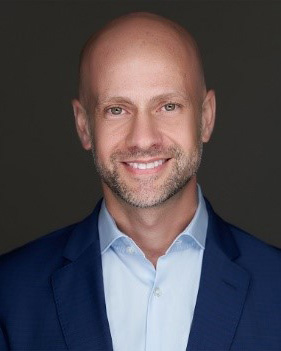 President, Bayer U.S. Pharmaceuticals
Bayer, Whippany
Ambrogio took on the role of president of Bayer U.S. Pharmaceuticals, effective May 1 after serving as president of Bayer’s global radiology business. A longtime Bayer executive, Ambrogio joined the company in 2006 with its takeover of Schering AG, according to his LinkedIn profile. Before that, he had been with Schering since 1998.
During his tenure with Bayer, Ambrogio has held several global leadership positions. He was promoted to president of radiology in April 2024.
He said he was honored to take on the new position.
“Throughout my time at Bayer, I’ve been privileged to work alongside exceptional colleagues across the globe who are deeply committed to serving our customers and patients and supporting Bayer’s mission,” he said. “I look forward to joining our U.S. pharmaceuticals team and building upon Bayer’s success.”
Jaime Arlia
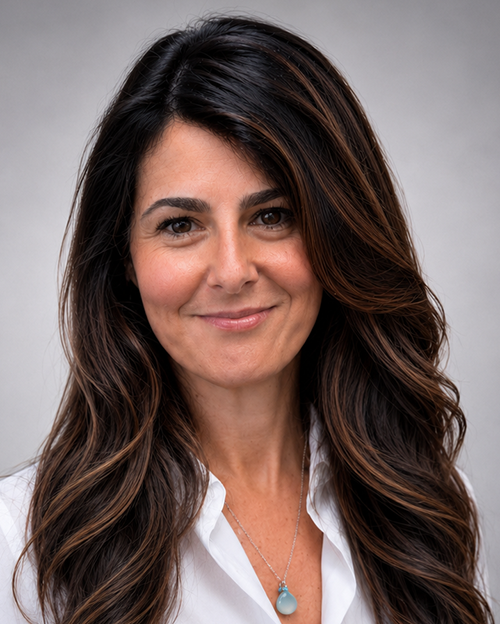 Executive senior vice president, Clinical Service; executive director, Care Plus Foundation
Care Plus NJ Inc., Paramus
What is your proudest professional achievement?
I expanded behavioral healthcare access across northern New Jersey, enabling same-day services for over 12,000 people annually. I strengthened Bergen County’s Children’s Mobile Response program, improving crisis support and reducing hospitalizations. As executive director of the Care Plus Foundation, I increased philanthropic support for mental health and addiction services, enhancing access, resources and long-term community impact.
What do you foresee as the most disruptive change in healthcare in the coming year?
Healthcare faces rising demand and pressure to expand access, especially in behavioral health. N.J.’s Fiscal Year 2027 budget supports key services, but changes like replacing NJ4S [New Jersey Statewide Student Support Services] with SPARK [School-Based Partnerships for Access and Resilience] may disrupt care. Sustained investment in community care and workforce is critical. As New Jersey Association of Mental Health & Addiction Agencies Inc. (NJAMHAA) has noted, meaningful investment in community-based care and the behavioral health workforce remains essential. The challenge is balancing innovation and affordability while preserving access, continuity and quality care.
Dr. Judy Aschner
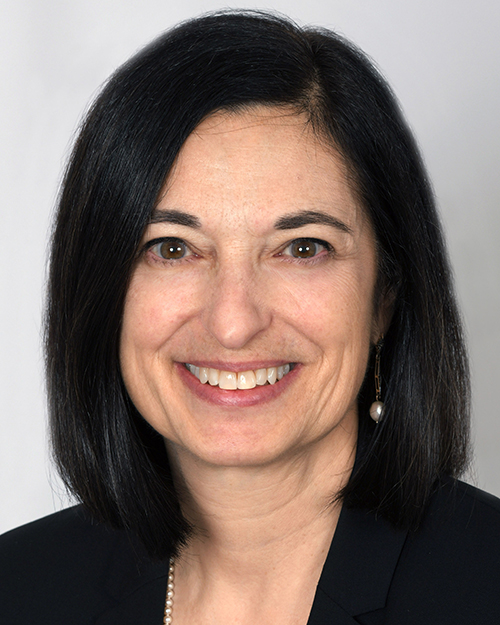 Director, member scientist, Hackensack Meridian Health Center for Discovery and Innovation; professor of pediatrics, Hackensack Meridian School of Medicine
Hackensack Meridian Health, Edison
What is your proudest professional achievement?
Over my 35-year career in academic pediatrics, my greatest pride comes from empowering the next generation. While I’m proud of the clinical and research programs I’ve built, my most significant achievement is mentoring junior faculty and trainees who have become leaders in the field. Seeing them surpass my own accomplishments is the ultimate testament to my impact, knowing I played a part in their journey to advance pediatric care and leave a lasting impact on the lives of children.
What do you foresee as the most disruptive change in healthcare in the coming year?
The most disruptive force in healthcare isn’t AI, but the erosion of trust in science, which undermines public health. Mistrust fuels vaccine hesitancy, reviving preventable diseases many clinicians have never seen. Combined with new vector-borne diseases from climate change, the resulting outbreaks will place a costly, disruptive burden on our entire healthcare system, preventing effective responses to health crises, and fundamentally disrupting our ability to invest in other critical needs.
Dr. Monifa Brooks
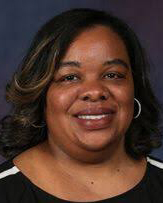 Senior medical officer
Kessler Institute for Rehabilitation, Lyndhurst
Dr. Monifa Brooks is Kessler Institute’s senior medical officer with oversight of all medical services, as well as the hospital’s physician practice. Board certified in both physical medicine and rehabilitation and spinal cord injury medicine, Brooks specializes in the care and treatment of individuals with spinal injuries.
Colleagues describe Brooks as a deeply caring physician whose work focuses on individuals with devastating, life-altering injuries; patients who require not only medical expertise, but steadiness, compassion and trust. They say Brooks is distinguished by how seamlessly she combines compassion with dedication. She is sincere, thoughtful, and quietly determined; leading by example. Her decisions are consistently guided by what is right for patients, families and staff, even when the path is challenging. She joined Kessler in 2005.
Her research interests include spasticity management, osteoporosis and aging-related issues in people with spinal cord injuries. Brooks has published extensively, presented at numerous conferences and participated in grand rounds at leading hospitals nationwide. She is a member of the American Academy of Physical Medicine and Rehabilitation, New Jersey PM&R Society and National Medical Association. Brooks also serves as the director of the residency program in physical medicine and rehabilitation at Rutgers New Jersey Medical School.
Vito Buccellato
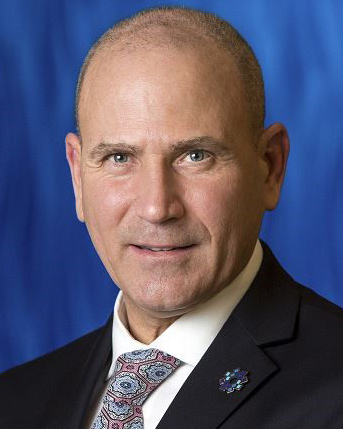 President, chief hospital executive
Hackensack Meridian Jersey Shore University Medical Center, Edison
What is your proudest professional achievement?
My passion and mission to make a positive difference shaped my career, with a focus on vulnerable populations. This includes advancing pediatric and adolescent behavioral healthcare by helping to destigmatize mental health issues and creating dedicated treatment spaces, previously at Brookdale Hospital and currently at Jersey Shore University Medical Center (JSUMC), where we will provide specialized intake and evaluation services, nurturing individuals to grow into adults who carry the world forward.
What do you foresee as the most disruptive change in healthcare in the coming year?
Recognizing change on the horizon, embracing and integrating evolution, I’m interested in meeting emerging benefits and potential challenges posed by AI technology with a discerning human eye. AI is coming into our lives and impacting the direction of some established administrative and diagnostic procedures. Using technology as a tool for a first right of refusal, the contributory benefits of evaluating and validating diagnostic studies are positive impacts that can be understood and utilized.
Darlene Carr
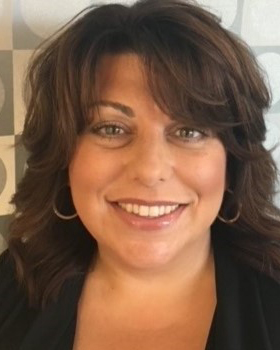 Vice president healthcare
New Jersey Innovation Institute, Newark
What is your proudest professional achievement?
Over 25 years in healthcare has provided me with many achievements, both big and small. The achievement that happened this past year is what I am most proud of. I led the full replacement of a legacy, vendor supported HIE [Health Information Exchange] with a modern technology stack, uniting IT, clinical, vendor, hospital, long-term care, and state partners to execute a seamless build and cutover in just over nine months, delivering validated interoperability and impacting statewide data exchange.
What do you foresee as the most disruptive change in healthcare in the coming year?
I believe the most disruptive change will be operational adoption of AI across clinical and administrative workflows. Staff must be in the lead when using AI, not merely in the loop. Leaders should pilot tools with clear outcome metrics, strengthen governance and validation, update procurement and vendor risk practices, and invest in staff training and change management.
Brian Cellary
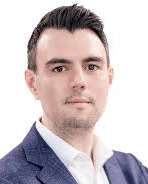 CEO and co-founder
Valley Spring Recovery Center, Norwood
Brian Cellary is a passionate CEO growing Valley Spring Recovery Center whose mission is to provide local recovery that saves lives. His innovative approach has allowed Valley Spring Recovery Center to increase access to care through offering residential addiction treatment services, outpatient treatment and telehealth with over 11 notable insurance contracts, including Aetna, Cigna, United Healthcare, Fidelis and more.
He previously held executive positions at multiple treatment centers focusing on market development, payor relations, and program development.
Cellary was awarded the Business Award by the National Council on Alcohol and Drug Dependence (NCADD) for his business acumen and community service. He is also a board member of Alumni in Recovery.
He speaks at local high schools sharing his recovery story and operates from a patient-first philosophy, collaborating with clinical and medical teams to develop comprehensive treatment programs. His mission extends beyond addressing addiction, aiming to help clients succeed across family, work, and educational domains.
Dr. Maria Costantini-Ferrando
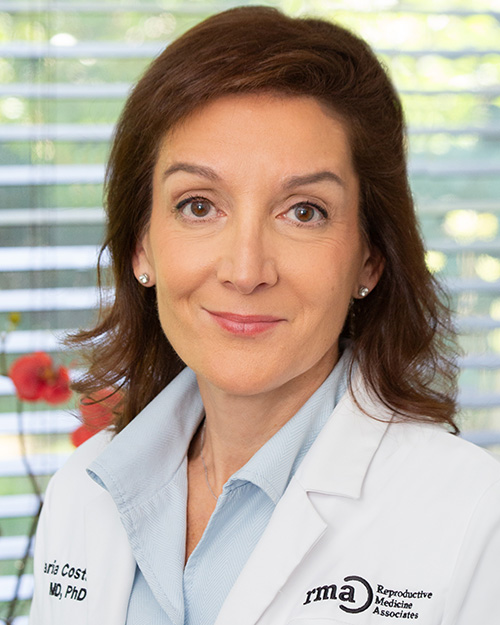 Physician partner, East Coast medical director, reproductive endocrinologist
IVI RMA North America, Basking Ridge
What is your proudest professional achievement?
My proudest achievement is helping improve fertility care while centering the patient experience in everything I do. As both a reproductive endocrinologist and now East Coast medical director for IVI RMA North America, I’ve been fortunate to care for patients directly while helping expand access to high-quality, compassionate fertility treatment. Knowing that I’ve been able to help thousands of individuals and families on their journey to parenthood has been the most rewarding part of my career.
What do you foresee as the most disruptive change in healthcare in the coming year?
I believe the continued integration of data, artificial intelligence, and precision medicine will be one of the most transformative changes in healthcare over the coming year. In reproductive medicine, these advances have the potential to make care more personalized, improve patient outcomes, and expand access to treatment. They can also give clinicians better insights to make more informed, individualized decisions while allowing us to spend more time focused on what matters most: the patient.
CJ Cruz
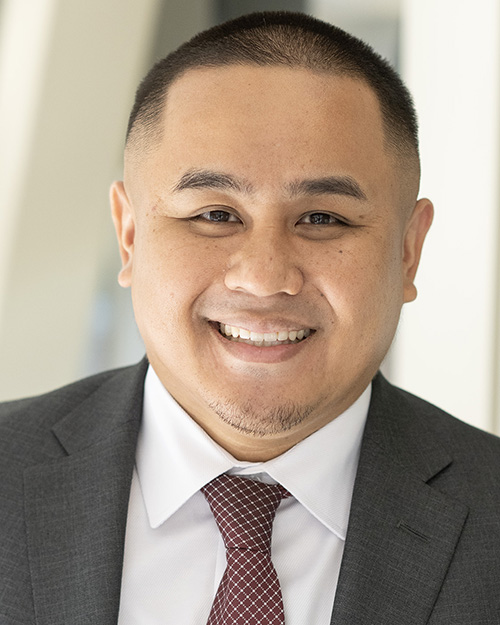 Vice president, Operations
Robert Wood Johnson University Hospital Somerset, Somerville
What is your proudest professional achievement?
My proudest professional achievement to date is being recognized as part of Somerset County Business Partnership as one of its “40 Under 40” honorees in 2023. The nomination included the operational response I led during the COVID-19 pandemic which included the vaccination of more than 14,000 individuals at our hospital. This award was special to me because I received it for the work I was doing through the pandemic while I was also obtaining my master’s degree and starting a family.
What do you foresee as the most disruptive change in healthcare in the coming year?
In the coming year, I would think the most disruptive change, but also the most exciting change, will be the continued implementation of artificial intelligence in the everyday workflow of hospital employees. Although we are seeing its presence on the clinical side, it will be very interesting to see how it is implemented in non-clinical areas such as environmental services, patient transport, facilities management, and clinical engineering.
Paige Dworak
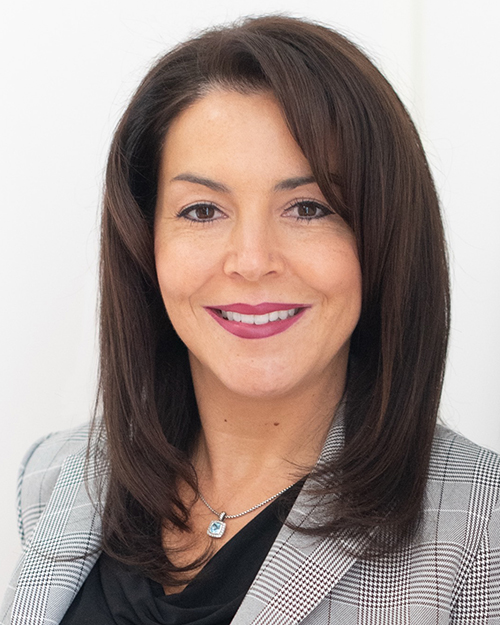 President and CEO
Nova Health Partners, Branchburg
Now president and CEO at Nova Health Partners, Dworak brings more than 25 years of experience to the leadership post from her time as chief operating officer at Hudson Regional Health, as well as president and CEO at CareWell Health and more.
Dworak highlights her ability to drive enterprise operations and deliver measurable improvements in EBITDA, margin, quality, patient experience and workforce engagement. Her experience spans for-profit, nonprofit and academic systems, including post-bankruptcy stabilization, multihospital integration and service-line expansion. Notably, Dworak was among the youngest hospital CEOs in the industry and the first woman in New Jersey to own a hospital with the emergence of CareWell Health Medical Center in 2022.
Launched this year, Dworak advises CEOs, boards and organizations through healthcare consulting firm Nova Health Partners, with a focus on turnaround execution, operational performance and strategic growth.
Her leadership has been recognized with numerous honors, including the NJBIZ 40 Under 40, the City of East Orange Business Achievement Award, Enterprising Women of 2024 and others. She has also received Congressional Recognition for her commitment to corporate health and multiple community service awards, and is highly active at the local, state, and national levels, serving on boards and associations.
Michelle Edelstein
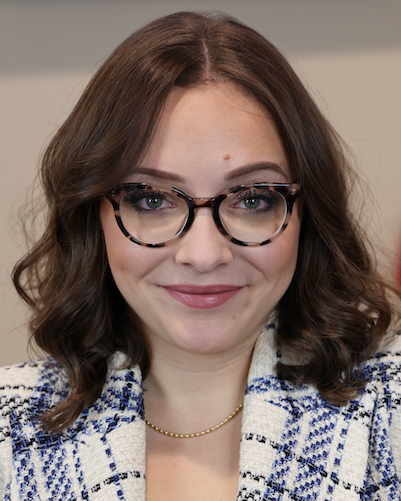 Chief marketing officer
Rutgers School of Public Health, Newark
What is your proudest professional achievement?
Being part of and helping to build a nationally recognized school of public health that is deeply committed to health equity and social justice. Throughout my career, I have worked to translate complex research into accessible, actionable information that people can use to improve their lives. Public health has little impact if it remains siloed within academic journals, and I take great pride in helping bridge the gap between science and communities.
What do you foresee as the most disruptive change in healthcare in the coming year?
One of the most disruptive changes I foresee is the continued devaluation of health and health sciences education and the expertise of trained professionals. At a time when we need a strong healthcare and public health workforce, these trends threaten innovation and workforce capacity. At the same time, the rapid expansion of AI offers opportunity, but also risks spreading misinformation, eroding trust, and diminishing the human expertise essential to public health and health more broadly.
Lindsay Gannon
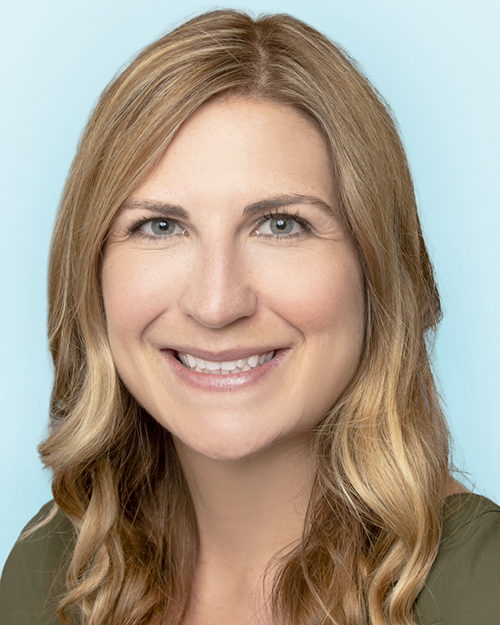 Physician assistant
Optum, Oakhurst
What is your proudest professional achievement?
My proudest professional achievement is the breadth of experience I’ve gained over the past 17 years and my ability to successfully transition between multiple specialties while consistently providing high-quality patient care. What I’m most proud of is the trust I’ve earned from both patients and colleagues throughout those transitions and knowing that I’ve made a meaningful difference in patients’ lives over many years.
What do you foresee as the most disruptive change in healthcare in the coming year?
I believe AI’s rapid integration into clinical practice will be healthcare’s most disruptive change this year. It can improve efficiency, reduce administrative burden, and enhance patient care. The key is using AI responsibly to support – not replace – clinical judgment; patient relationships; and high-quality, patient-centered care while keeping patient safety the top priority.
Kimberly Garner
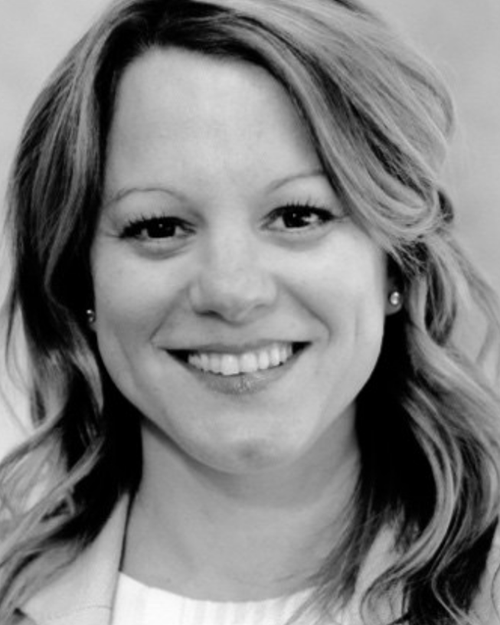 Director of patient care
RWJBarnabas Behavioral Health Center, Toms River
Garner assumed her current role in June, following nearly 19 years with RWJBarnabas Health. Most recently, she served as assistant vice president of the Neuroscience Program at Community Medical Center in Toms River.
According to colleagues, Garner distinguished herself as a visionary in that role, transforming neurological care in the state. Under her leadership, the program achieved a total inpatient volume increase of 16% in Neurology and Neurosurgery. Total outpatient volume increased 10%, and average contribution margin (addition of more complex cases and hiring of neurosurgeons) increased 76%.
Garner is also credited with the development of Sleep Navigator, which increased home sleep study volume by a projected 36% increase.
By the number, they say her work helped exceed budget for inpatient neurology by $862,000 and exceed budget for neurosurgery cranial surgical by $1.1 million. Among her signature initiatives are the implementation of a groundbreaking remote monitoring program for long-term epilepsy patients, and the creation of a 24/7 advanced practice provider model to support stroke, neurointerventional and neurosurgery services — all critical steps toward achieving Comprehensive Stroke Center designation.
Co-workers describer Garner as passionate about community education and patient-centered innovation.
Brian Greer
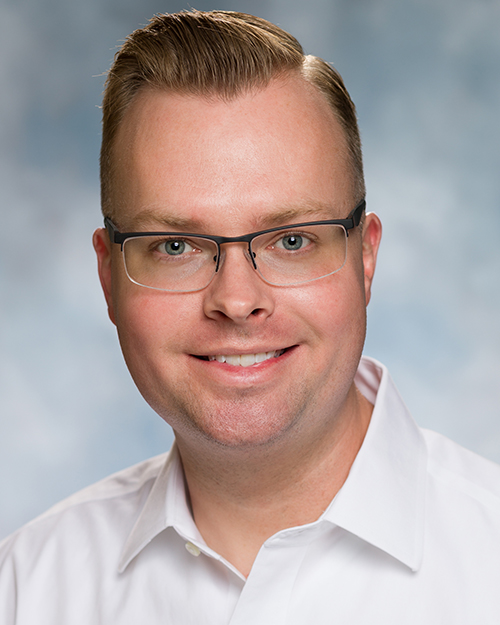
Director, CSH–RUCARES; interim director, RUCARES; core faculty, Rutgers Brain Health Institute; associate professor of pediatrics, Robert Wood Johnson Medical School
Rutgers University, New Brunswick
What is your proudest professional achievement?
In 2019, I was the recipient of a prominent award from the American Psychological Association’s Division 25 (Behavior Analysis). The B. F. Skinner Foundation New Researcher Award is one of the most significant early-career honors in the behavioral sciences, and it recognizes innovative and important research in behavior analysis conducted within the first 10 years of receiving a doctorate.
What do you foresee as the most disruptive change in healthcare in the coming year?
It may not come as a shock to anyone, but healthcare access and affordability will remain one of the most disruptive challenges in healthcare in the coming year.
What was the best career advice you’ve ever received (or what’s your best advice for the next generation)?
Some of the best advice I ever received was that the smartest people in the room were those who can explain complex concepts in simple ways that are easy to follow. This has been a professional goal of mine ever since.
Dr. Mohamed Kamel
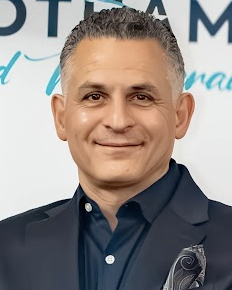 Lead prosthodontist and clinical director
ClearChoice Dental Implant Centers, Roseland
Dr. Mohamed Kamel is a prosthodontist whose influence spans clinical care, education and health care leadership in New Jersey. In his current role, Kamel lead consultations and treatment of patients with complex dental needs, leveraging his skills in research, public speaking and more.
In addition to his work at ClearChoice Dental Implant Centers, Kamel has served as a dental school educator at Rutgers University School of Dental Medicine, where he has helped train and mentor future dentists in prosthodontics, implant dentistry and complex treatment planning. His academic involvement reflects a deep command of the discipline and a commitment to advancing standards of care beyond his own practice.
Clinically, Kamel is recognized for delivering high-volume, high-acuity implant treatment with consistency and precision, while maintaining a strong focus on patient outcomes and safety. He is equally respected for his role in mentoring younger clinicians, shaping clinical protocols and reinforcing accountability across multidisciplinary teams. By bridging education, clinical excellence, and operational leadership, peers say Kamel has contributed meaningfully to improving access to advanced dental care and strengthening the delivery of specialized health services across the state.
Dr. Abhishek Kumar
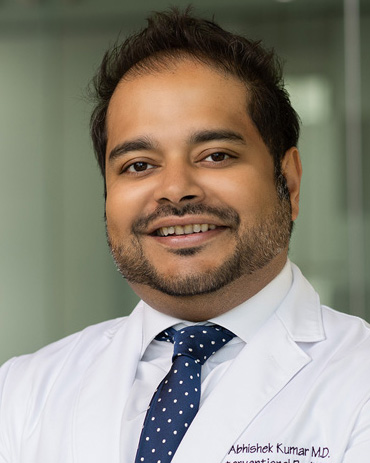 Interventional radiologist and section chief of interventional radiology
Rutgers New Jersey Medical School, Newark
What is your proudest professional achievement?
Building the Interventional Radiology program at Rutgers New Jersey Medical School. I was named Section Chief in 2020, early in my career, and have since grown the division into a nationally visible program; growing the embolization practice, bringing NIH-funded and industry-sponsored clinical trials, mentoring trainees who now practice throughout the country. This year, my promotion to professor and induction as a Fellow of the Society of Interventional Radiology affirmed the progress we made.
What do you foresee as the most disruptive change in healthcare in the coming year?
The shift of complex procedures out of hospitals and into office-based labs and ambulatory surgery centers. Embolization and other image-guided therapies increasingly rival surgery at a fraction of the cost and recovery time. Paired with AI-assisted imaging and patient identification, this outpatient migration will redraw where and how specialty care gets delivered.
Dana Maier
 President/executive director of the board
SITUS Foundation, Branchburg
What is your proudest professional achievement?
Honing my healthcare skillset and founding SITUS Foundation to help others like my son who have the rare condition Situs Inversus. By forming SITUS Foundation we have been able to touch families all over the world through our support groups, educational initiatives, and grants for patients and families. Connection and understanding are at the forefront of our advocacy efforts. I developed a children’s book “The Mirror Within You” that helps explain what Situs Inversus is with empathy.
What do you foresee as the most disruptive change in healthcare in the coming year?
I think AI although helpful in many regards but can also be very dismissive of the human connection that healthcare requires. I also believe siloed databases in the rare diagnosis space have been disruptive to providing data-driven care. Collaboration is so important in healthcare and when data isn’t equitably shared patient advocacy organizations, researchers, and clinicians cannot access the most updated information to provide the best evidence-based practice.
Jeannette Manchester
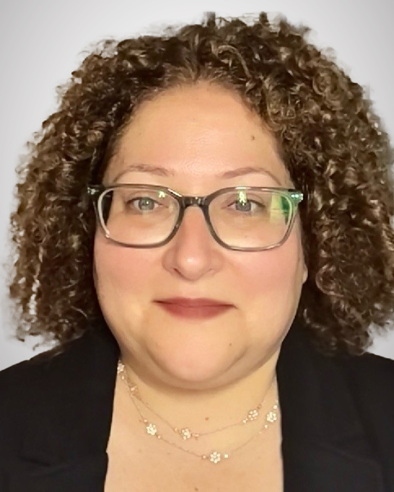 Associate dean, Center for Educational Innovation & Quality
Rutgers, School of Nursing, Newark
What is your proudest professional achievement?
My proudest professional achievement has been developing and leading a Forensic Nurse Examiner course to strengthen trauma-informed care for patients. I identified gaps in clinician preparedness and implemented structured, evidence-based training. By fostering collaboration and confidence, the program improved competency and consistency in patient care, resulting in stronger clinical outcomes and a sustainable model for ongoing education.
What do you foresee as the most disruptive change in healthcare in the coming year?
The most disruptive change in healthcare in the coming year will be the rapid integration of clinical-grade AI into everyday workflows, transforming administrative tasks into opportunities for real-time clinical decision-making, streamlined documentation and enhanced patient engagement. This evolution presents a powerful opportunity to improve efficiency while strengthening trust, upholding ethics and elevating truly human-centered care.
What was the best career advice you’ve ever received (or what’s your best advice for the next generation)?
Become curious and adaptable by recognizing that everything evolves, and by consistently asking the right questions to guide growth. Prioritize building genuine relationships, as trust is the foundation of effective collaboration and long-term professional success.
Warren Moore
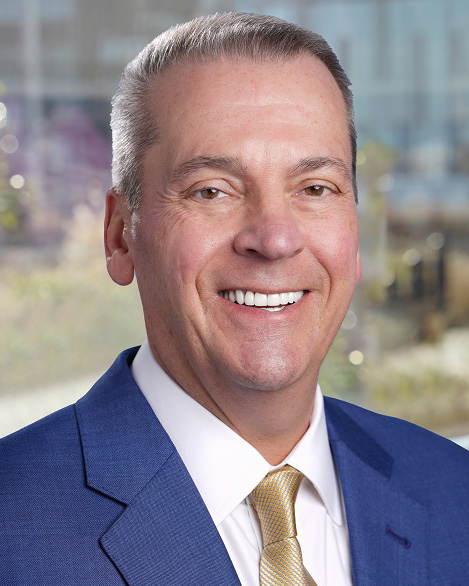
President and chief operating officer
Inspira Health, Mullica Hill
As of January 2026, Moore oversees operations across Inspira Health‘s network of hospitals, health centers and outpatient locations. He reports directly to CEO Amy Mansue.
And he continues to foster strategic partnerships to enhance access to care and bolster clinical expertise in South Jersey, Inspira said. Previously, Moore served as executive vice president and COO. He joined the system in 2021. During his more than four years in those posts, Inspira said Moore played a pivotal role in advancing the health care system’s mission.
Mansue previously held both the chief executive officer and president titles. She will continue as CEO, Inspira said. In addition to maintaining her day-to-day responsibilities, she will also expand her focus on external priorities and community engagement.
Nimish Muzumdar
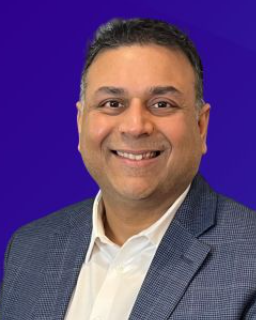 Senior vice president and president, North America
embecta, Parsippany
What is your proudest professional achievement?
My proudest achievement is building a 26-year career that combined my clinical foundation as a pharmacist with executive commercial leadership. As a senior executive in the pharma industry, I have led growth across branded, generics and OTC business, driving successful launches and expanding access to medicines for patients in need across retail, hospitals, clinics and LTC channels. I have enjoyed and am proud of building high performing teams, stabilizing businesses and bringing them back to growth.
What do you foresee as the most disruptive change in healthcare in the coming year?
The most disruptive change I foresee in healthcare over the coming year is the rapid integration of artificial intelligence into clinical and commercial decision making. Right from diagnostics and treatment plans to supply chain optimization, customer and patient engagement, artificial intelligence will greatly influence these segments. At the same time, pressure on affordability and access will accelerate shifts towards value-based care and greater use of generics and biosimilars.
Matthew Ostroff
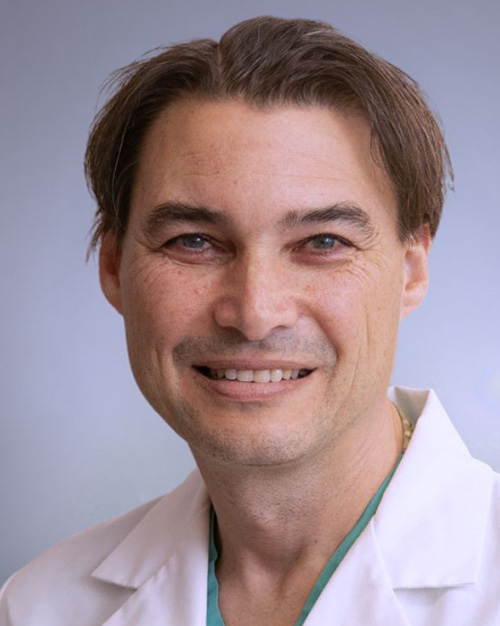 Acute care nurse practitioner
St. Joseph‘s Health, Paterson
What is your proudest professional achievement?
When I entered vascular access, the femoral vein in the groin was avoided because of infection concerns. In 2014, I challenged that thinking by asking why we were not accessing the femoral vein in the mid-thigh instead. At St. Joseph’s Health, we developed a mid-thigh femoral access approach that provided a safe alternative for patients with limited vascular access options. Through research, publication and international education, this technique has gained global acceptance.
What do you foresee as the most disruptive change in healthcare in the coming year?
Extended reality simulation, including virtual, augmented, and mixed reality. In vascular access, clinicians perform everything from peripheral IV to ultrasound-guided arterial and central access. These technologies create immersive learning environments that replicate patient encounters. By enhancing procedural skills, communication, and clinical decision-making in a risk-free setting, extended reality accelerates competency, improves confidence, and ultimately delivers better patient outcomes.
Dr. Rafael Pérez-Figueroa
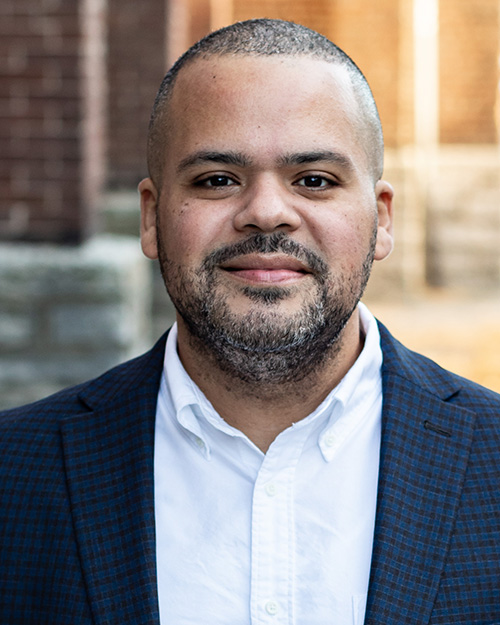 Associate dean, Community Engagement, Population Health, Global Public Health
Rutgers School of Public Health, Newark
What is your proudest professional achievement?
My proudest achievement has been leading community engagement initiatives that bring together universities, communities, healthcare systems and government to advance health equity in New Jersey. Through these partnerships, I have translated research into action, strengthened communities, informed policy and mentored future public health leaders. More than any grant or award, I value building lasting collaborations that improve lives and create sustainable impact.
What do you foresee as the most disruptive change in healthcare in the coming year?
Artificial intelligence will be the most disruptive change in healthcare, transforming clinical care, public health and healthcare delivery. Its success, however, depends on responsible implementation that prioritizes transparency, equity, ethics and community engagement. AI should complement – not replace – human relationships and help reduce, rather than widen, health inequities by improving decision-making, resource allocation and person-centered care.
Laura Pizzi
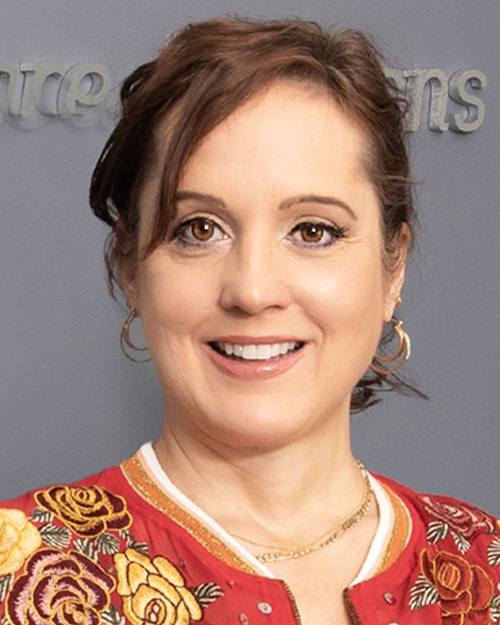 Chief science officer
ISPOR – The Professional Society for Health Economics and Outcomes Research, Lawrenceville
What is your proudest professional achievement?
Serving as ISPOR’s chief science officer has been a privilege, but my proudest achievement has been mentoring students and young professionals, most recently at Rutgers University Ernest Mario School of Pharmacy. I teach that research doesn’t end with its publication; rather, impact comes from scientific evidence that actually informs decisions affecting patients and families. Success requires strong communication skills, policy acumen and sound scientific methods.
What do you foresee as the most disruptive change in healthcare in the coming year?
AI, real-world evidence and precision medicine are converging to redefine healthcare. New Jersey is uniquely positioned to lead. As the nation’s most densely populated state with diverse communities and a concentration of world-class biopharma companies, health systems and academic institutions, it is a living laboratory for innovation, especially in rare diseases. Realizing this potential requires coordinated leveraging of scientific excellence, data investment and the responsible use of AI.
Brandon Rockwell
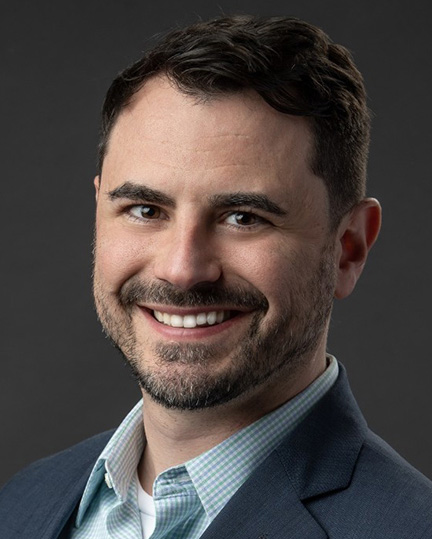 President
PAI Pharma, Parsippany
What is your proudest professional achievement?
My proudest achievement has been helping grow PAI Pharma into a stronger, more reliable U.S. manufacturer of essential medicines. We have more than doubled the business, expanded our manufacturing capabilities, and broadened our portfolio serving hospitals, pharmacies, children, and older patients. What I am most proud of, however, is the team we have built along the way. We have developed leaders, created opportunities for our employees.
What do you foresee as the most disruptive change in healthcare in the coming year?
I think the biggest disruptive change in healthcare over the next year will be the shift from talking about AI to using it in everyday work. While companies may be slow to adopt it formally, the real change will come from individuals who challenge themselves to use it to fill in gaps in knowledge, improving decisions, and raising their own level of performance. Those individuals will become faster and more effective, and they will ultimately push their organizations to change.
Debbie Smith
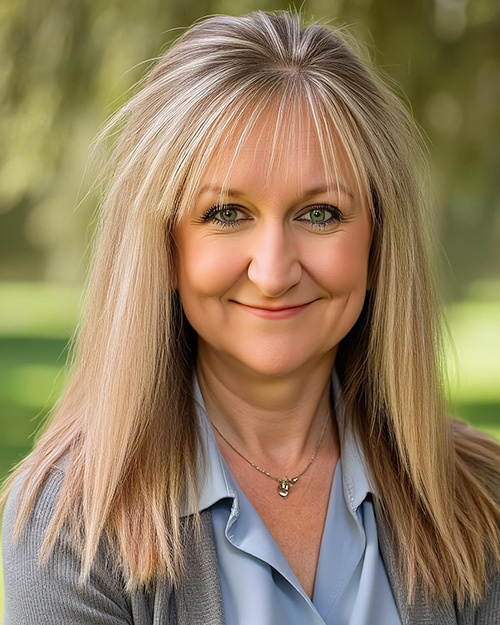 Chief nursing and patient care officer
St. Joseph’s Health, Paterson
What is your proudest professional achievement?
Throughout my tenure, I’ve been fortunate to watch individuals who begin as summer externs going into their senior year of college develop over the years into bedside nurses, managers and nurse leaders. I am grateful for the opportunity I’ve had to witness their development and influence how they deliver care and lead others. I’m proud to have taught our next generation of nurse leaders and look forward to seeing all they continue to accomplish.
What do you foresee as the most disruptive change in healthcare in the coming year?
The most disruptive change is the rapid integration of artificial intelligence into clinical operations and workforce management. Unlike previous technology initiatives that primarily affected documentation or communication, AI is beginning to influence how care is delivered, how decisions are made and how nurses spend their time. The organizations that successfully integrate AI will gain advantages in quality, workforce stability, patient experience and financial performance.
Alan Tunit
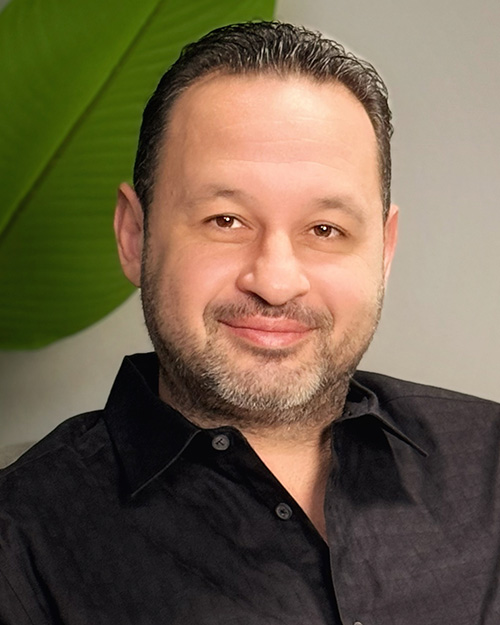 Owner
Owner
Serenium Therapy and Wellness, Cranford
What is your proudest professional achievement?
My proudest professional achievement has been building an organization that helps people access quality mental health care when they need it most. What began as a vision to improve access to behavioral healthcare has grown into a team of dedicated clinicians serving communities across New Jersey. Beyond the growth itself, I’m most proud of the lives we’ve impacted, the care we’ve expanded, and the meaningful careers we’ve created for mental health professionals.
What do you foresee as the most disruptive change in healthcare in the coming year?
The rapid adoption of AI. It’s a shift in healthcare, not because it replaces clinicians, but because it changes how we work daily. Documentation and scheduling take time; AI can reduce this burden and free time for patient care. In behavioral health, demand keeps rising. Used responsibly, AI can improve access and care while preserving human connection. Organizations that embrace innovation while keeping patients at the center of everything they do will be the ones making the biggest impact.
Bryony Winn
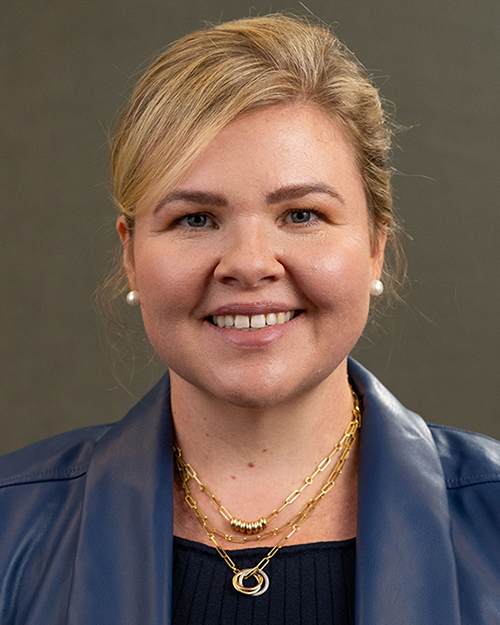 CEO
CEO
Bayada Home Health, Pennsauken
Named as the first non-family member CEO, Winn joined the nonprofit after David Baiada’s eight-year run in the post.
Celebrating 50 years of care in 2025, Bayada Home Health Care is the largest independent, nonprofit home health care provider in the U.S. The organization boasts more than 370 locations here as well as in India, Ireland, New Zealand and South Korea.
Winn previously served as president of Carelon Health, a division of Elevance Health. In that role, Winn led 8,500 associates serving nearly 100 million Americans in all 50 states. Her work focused on advancing a whole health approach with a great adoption of value-based care, Bayada said.
Before Carelon, Winn held leadership roles at Blue Cross and Blue Shield of North Carolina as well as McKinsey & Co. She earned distinction as a 2024 Modern Healthcare “Top Women Leaders in Healthcare.”
Patrick Young
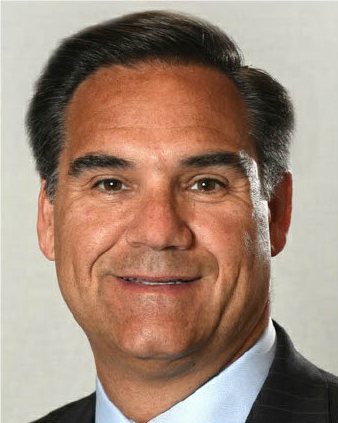 President, Population Health Solutions
Hackensack Meridian Health, Edison
What is your proudest professional achievement?
I’m proud of how our team extends the reach of healthcare to make a social impact: HMH’s Hospital from Home (HFH) provides acute-care hospital-level services to patients at home and Your Health on the Move brings free health screenings to communities across N.J. in mobile health vans. Healthy Connections addresses non-medical issues impacting patients: As of April 2026, 3.43 million patients were screened with 8.8 million referrals shared. Also: $5.05 million redeemed for Fresh Match food coupons.
What do you foresee as the most disruptive change in healthcare in the coming year?
Our hospitals will always be here to care for our communities, but what a hospital looks like may change. In two years, HFH surpassed 2,000 patients, demonstrating a need to reimagine varied expressions of healthcare delivery. Clinical studies reveal home hospitalization delivers improved patient outcomes, higher patient/clinician satisfaction, cost savings, improved outcomes, and lower risk of readmission. HMH is also building large ambulatory sites across N.J. to meet patients where they are.
What was the best career advice you’ve ever received (or what’s your best advice for the next generation)?
My advice to others is simple: Leaders lead — be sure to give credit to others when things go well, and take accountability when they don’t.
Editor’s note: This story was updated 3:16 p.m. July 13, 2026, to update Warren Moore’s title. It was then updated at 9:55 a.m. July 22, 2026, to update Dr. Judy Aschner’s title.