Sign In
 Free Newsletter

CLOSING ENTRY: Early intervention
The role of rehabilitation in cancer care
Bonnie Saunders//July 29, 2024//

PHOTO: DEPOSIT PHOTOS
PHOTO: DEPOSIT PHOTOS
CLOSING ENTRY: Early intervention
The role of rehabilitation in cancer care
Bonnie Saunders//July 29, 2024//


Rehabilitation is an essential part of cancer care, helping people manage the physical, emotional and psychological challenges that come with cancer diagnosis and its treatment. Cancer rehabilitation is similar to the physical rehabilitation one might need after a stroke, orthopedic surgery, or injury such as a car accident. It includes a multidisciplinary approach that deploys services from physical, occupational and speech therapists, along with nutritionists and mental health professionals. These services are tailored to meet the needs of cancer patients and, when used in combination, can help reduce the side effects of cancer treatments and improve a patient’s quality of life.
Cancer and its treatments can cause issues such as pain, fatigue, weakness and mobility challenges. Rehabilitation professionals help patients manage these issues with personalized treatment plans. Common problems treated include:
- Pain: Cancer-related pain can make daily activities difficult to execute. Rehabilitation can help manage and reduce pain through various techniques and therapies designed to alleviate discomfort and improve mobility.
- Fatigue: Cancer treatments often cause extreme tiredness. Rehabilitation helps patients to build stamina and manage energy levels through tailored exercise programs and energy conservation techniques.
- Mobility and Strength: Physical therapy improves strength, flexibility and movement, helping patients stay independent after treatment. Therapists use specific exercises to target weakened muscles and improve overall function.
- Cognitive Issues: Chemotherapy can affect one’s memory and concentration. Rehabilitation includes cognitive exercises and strategies to improve mental function and help patients cope with these changes.
- Speech and Swallowing: Some cancer treatments can affect speech and swallowing. Speech, language, and swallowing therapy can help patients regain these abilities through targeted exercises and techniques to improve muscle coordination and strength.
- Pelvic Floor Rehabilitation: Pelvic floor rehabilitation is a special type of physical therapy that helps men and women with pelvic floor issues. These problems can include urinary or bowel incontinence, frequent urination, constipation and pelvic pain. Pelvic floor therapy involves exercises to strengthen these muscles and improve function.
Specialized care
Lymphedema is a condition characterized by the abnormal buildup of lymph fluid in fatty tissues just under the skin, leading to swelling, often in the arms or legs. This swelling can result from damage or removal of lymph vessels and nodes, commonly following surgery or radiation therapy for cancer.
Managing lymphedema is a vital part of cancer care, as it can significantly affect a patient’s quality of life. Specialized lymphedema therapists play a crucial role in this aspect of care. They use techniques to reduce swelling, enhance limb function and provide patients with education on managing symptoms.
By addressing lymphedema early and effectively, patients can experience improved mobility, and achieve a better overall quality of life, allowing them to more quickly return to prior activity levels.
Survivorship
Survivorship focuses on the health and life of a person after the initial phase of cancer treatment. The primary goals are to ensure ongoing health, improve quality of life, and help survivors return to or maintain normal activities. Survivorship begins at the time of diagnosis and continues throughout a person’s life. It often involves a range of services designed to help individuals live well beyond their cancer treatment such as:
- Monitoring and Follow-up: Regular check-ups are essential to detect any signs of cancer recurrence and to monitor for long-term side effects of treatment. These follow-ups ensure that any new issues are identified and managed promptly, allowing for early intervention and better outcomes.
- Managing Long-term Effects: Treatments like chemotherapy and radiation can have long-lasting effects. Survivorship care addresses these conditions, which can include fatigue, pain, and cognitive changes. Specialized programs help patients manage these long-term side effects and improve their day-to-day functioning.
- Emotional and Psychological Support: A cancer diagnosis and treatment can be emotionally taxing. Survivorship programs offer counseling and support groups to help patients cope with anxiety, depression and the emotional toll of their journey. These services provide a safe space for patients to share their experiences and receive support from others who understand their challenges.
- Healthy Lifestyle Guidance: Survivors receive advice on nutrition, physical activity and other healthy behaviors to improve their overall wellbeing and reduce the risk of other health issues. Guidance on maintaining a balanced diet, engaging in regular exercise and avoiding harmful behaviors like smoking can help survivors lead healthier lives.
- Rehabilitation Services: Physical, occupational and speech therapy are often part of survivorship care, helping individuals regain strength, mobility and function.
- Social Support: Navigating life after cancer can be challenging. Survivorship care includes resources and support for returning to work, managing finances, and dealing with social and family dynamics. Programs may offer vocational counseling, financial planning assistance, and support groups to help patients adjust to life after cancer.
With cancer rehabilitation services, many patients are likely to be able to return to the life they love. Early intervention is the key to preventing complications, managing symptoms and enhancing recovery after cancer treatment.
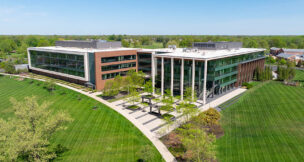
Bonnie Saunders is the manager of Physical Rehabilitation Services for Saint Peter’s University Hospital. Cancer rehabilitation services are offered at Saint Peter’s Health and Wellness Center in Somerset.