Sign In
Upcoming Event
 Free Newsletter

Higher learning: Stockton to offer cannabis studies undergrad degree
Kimberly Redmond//July 11, 2024//
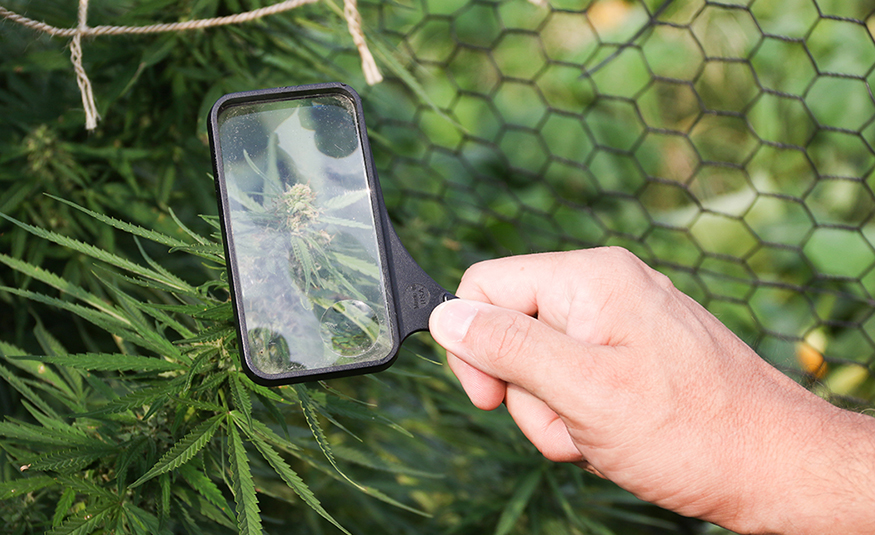
In fall 2024, Stockton University became the first higher education institution in New Jersey to offer an undergraduate degree in cannabis studies. - PROVIDED BY STOCKTON UNIVERSITY
In fall 2024, Stockton University became the first higher education institution in New Jersey to offer an undergraduate degree in cannabis studies. - PROVIDED BY STOCKTON UNIVERSITY
Higher learning: Stockton to offer cannabis studies undergrad degree
Kimberly Redmond//July 11, 2024//


 Listen to this article
Stockton University is set to become the first higher education institution in New Jersey to offer an undergraduate degree in cannabis studies.
Scheduled to begin this fall through Stockton’s School of Business, the bachelor’s degree in hemp and cannabis business management aims to prepare students to join the emerging legalized industry. The Galloway-based public university announced the program in a July 10 press release.
In addition to courses that focus on cannabis cultivation, social justice & cannabis, and introduction to medical cannabis, the program will also feature business classes, such as policy, strategy, marketing and macroeconomics.
The undergraduate degree builds on Stockton’s existing cannabis studies minor. Launched in 2018, the tract has more than 70 graduates.
Rob Mejia, an adjunct professor who teaches cannabis studies at Stockton, said, “This year, New Jersey is on track to sell over $1 billion of cannabis products. You have to pay attention to a $1 billion business. Cannabis and hemp being so unique and regulated, you have to have special skills in order to get involved and be successful in the industry.”
“It’s clearly an industry that is growing exponentially, and as a result, there are job opportunities that have surfaced, both directly within the industry as well as with ancillary jobs,” added Warren Kleinsmith, dean of the School of Business. “It’s an opportunity for students to capture much needed talent in a booming industry.”
The new degree pathway includes two cannabis field internships as part of an experiential learning component.
“That part is key because it gives students hands-on experience,” Mejia said. “It also introduces students to employers. We have a very developed pipeline. We’ve placed cannabis studies minors in the hemp industry, with labs doing cultivation, in processing, in dispensaries, in management, in marketing and working with consultants.”
A changing landscape
Between March 2023 and March 2024, the number of cannabis and hemp-related jobs in New Jersey jumped from 7,400 to 12,200, according to cannabis industry job platform Vangst.
The workforce is only anticipated to grow as the state opens new licensing classes in distribution, wholesaling and delivery. New Jersey’s expanding edible cannabis business – which includes infused chocolate, beverages and snacks – is also expected to lead to increased job demand.
Cannabis is legal for medical use in 38 of 50 states and for recreational use in 24 states, including New Jersey.
At the federal level, it remains classified as a Schedule I drug under the Controlled Substances Act. That prohibits its use for any purpose, but the law is generally not enforced in states where cannabis is legalized. In May, the Drug Enforcement Administration formally moved to recategorize cannabis as a Scheduled III drug, which signifies low to moderate risk for dependency and an accepted medical use.

Addressing market needs
Kleinsmith acknowledged cannabis’ complicated history. However, he emphasized that Stockton is simply adjusting to the changing needs of businesses in New Jersey by being the first to offer the degree program.
According to him, the degree’s design comes after much discussion with advisory boards as well as feedback from alumni and people involved with internships through the cannabis studies minor.
“We didn’t create the need, we are addressing the need,” he said. “If we don’t address the need, then are we really doing our job as an institution of higher education? If you don’t recognize how things change, you can get caught flat-footed, and your programs can be on the back burner of what people need.”
Click here for additional details about the degree or contact Emmanuel Small, associate professor of business administration, at 609-652-4300 or [email protected].