Sign In
 Free Newsletter

Fighting back
Facing extinction amid monopolization, independent pharmacies see a lifeline
Mohamed H. Nabulsi //January 17, 2022//
Fighting back
Facing extinction amid monopolization, independent pharmacies see a lifeline
Mohamed H. Nabulsi //January 17, 2022//


 Listen to this article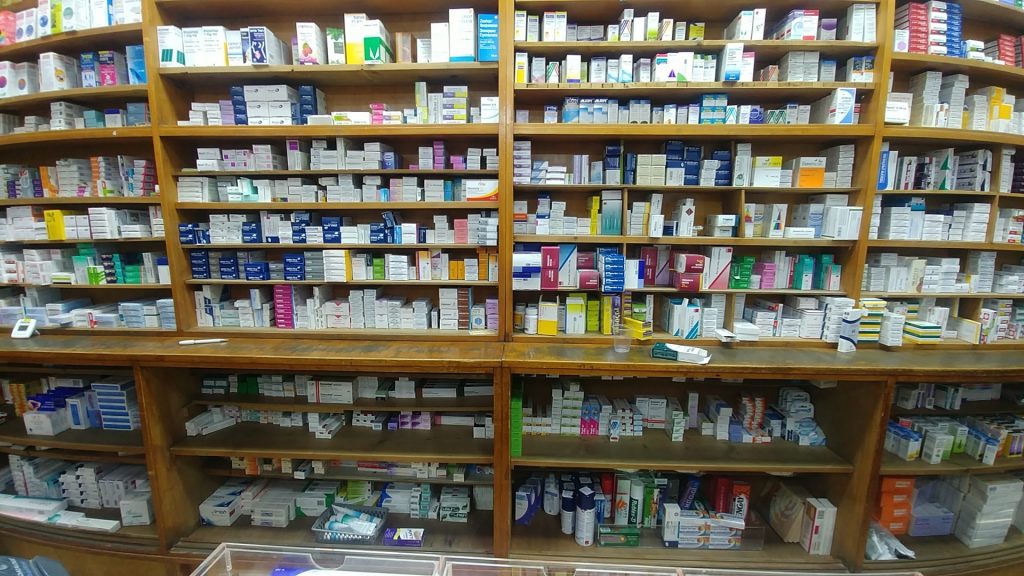
The landscape of the health care industry in New Jersey has been completely reshaped in the last few decades. Vertical and horizontal consolidation have overtaken the industry in a bid to maximize efficiency and reimbursement from insurers. The rise in administrative/management service organizations, such as Management Service Organizations and Dental Service Organizations, have reinvigorated the industry with investments by laypersons and venture capital firms alike. More recently, consolidation has increasingly found its way into the pharmacy industry where independent pharmacies are selling to chains at unprecedented rates as the business adapts to new challenges caused by the broader consolidation.
To understand this phenomenon, it is important to have a basic understanding of how pharmacies are reimbursed. Pharmacies purchase drugs from either the drug manufacturer directly, or, much more commonly, through an authorized wholesaler. Pharmacy benefit managers typically operate on behalf of insurers to negotiate reimbursement rates with pharmacies and pharmaceutical rebates with manufacturers. Pharmacies must come to terms with PBMs to gain access to the PBMs’ network before insureds can fill their prescriptions at the pharmacy.
Mergers and acquisitions by large chain pharmacies have dominated the market. In 2015, for example, the 15 largest retailers, including CVS, Walgreens, Express Scripts, and Walmart, generated more than $270 billion in revenue through their pharmacies, representing an astonishing 74% of retail prescription revenues. Conversely, independent pharmacies generated only $48 billion in revenue during the same period. However, with consolidation among pharmacies is the promise of lower cost and greater convenience for consumers. Large chain pharmacies are able to offer 24-hour availability and alternate locations, while independent pharmacies typically cannot. Moreover, larger pharmacies are able to leverage their buying power, thereby lowering costs, and may even entirely bypass wholesaler markups by buying directly from drug manufacturers. Independent pharmacies are simply ill-equipped to compete in the modern fight for convenience.
Generic drugs have traditionally been the lifeblood of independent pharmacies; brand-name drugs appear to have little variance in cash price across different pharmacy types. However, consolidation and increased competition in the pharmacy industry over the past decade has spawned a race to the bottom, resulting in lower reimbursements for generic drugs to pharmacies.
Chain pharmacies, mass retailers and supermarkets have undercut the market by selling generic drugs at less than cost, often accepting significant losses on generic drugs, simply to draw more business to their stores. This race to the bottom has almost single-handedly wiped out independent pharmacies. As larger chain pharmacies drive prices down on generic drugs, PBMs, in turn, begin to reimburse those drugs at similarly low prices. And, to gain access to a PBM’s network of covered pharmacies, independent pharmacies are forced to accept the lower generic drug reimbursement rates, leading to lower profit margins and making it difficult to remain financially solvent.
Independent pharmacies have also faced novel challenges in recent years stemming from the rise of online pharmacies and mail-order prescription drugs. Mail-order pharmacies have rapidly expanded to comprise a substantial portion of the market. Based on a 2020 Mordor Intelligence report, the e-pharmacy market was valued at approximately $60 billion in 2020 and is expected to generate revenue upwards of $136 billion in 2026, with a compound annual growth rate of 13.84% over the forecast period.
Moreover, the entry of new players in the market, such as Amazon (through its acquisition of PillPack in 2018), herald further changes. PillPack is an online pharmacy, launched in 2014, that makes it easier for patients to follow complex medication regimens by simplifying multidose packaging. Despite PillPack’s currently meager market share, its access to Amazon’s logistics infrastructure will surely accelerate its growth, and its mere presence in the pharmacy market will likely continue to catalyze the integration of e-commerce platforms into pharmacy care.
The trend toward online pharmacies and mail-order drugs is perfectly in line with other industries. Convenience-based services have been trending upward across all industries. And, while e-commerce has certainly been a trend for several years, the COVID-19 pandemic has only increased demand for convenience from home. This trend will likely continue for some time, causing online pharmacies and mail-order drugs to further displace independent pharmacies in the marketplace.
While the convenience of online shopping does benefit patients, especially during the pandemic, the real beneficiaries of this new era of pharmacy services are the chain pharmacies and mass retailers as they are now able to turn a higher profit by eliminating overhead expenses associated with maintaining a brick-and-mortar pharmacy. The lack of in-person interaction with a pharmacist also represents a net loss to certain patients who developed a relationship with their traditional community pharmacist, which promoted medication adherence and better health. Despite the industry’s move toward improving the bottom line, independent pharmacies’ unique ability to emphasize personal connections with patients may be their best chance to gain back market share and remain a viable option for consumers.
To withstand the adverse trends and remain competitive in the market, independent pharmacies have begun to consolidate — by mergers with or acquisitions of other independent pharmacies — to achieve economies of scale, stronger negotiation leverage and streamline their operations and optimize care. To offset their losses attributable to adverse market conditions, some independent pharmacies have shifted toward a broader “wellness center” model, which has proven effective. Under this model, independent pharmacies provide a one-stop-shop for consumers, offering, through collaboration with other health care providers, primary care/pediatrics, mental health, phlebotomy, nutrition and therapy services under a single roof.
This wellness center model permits independent pharmacies to offer a wide array of services to patients and thereby diversify their suite of compensable services. Additionally, with the Centers for Medicare and Medicaid Services’ recognition of pharmacists as qualified health care professionals and relaxation of rules governing physician supervision in the context of chronic care management, community pharmacists now play an integral role in the provision of care management services to patients for which they are entitled to compensation.
Finally, the government’s adoption of exceptions/safe harbor to health care fraud and abuse laws and regulation — which historically served as obstacles to financial relationships between pharmacies and their referral sources — in the context of value-based enterprises have enabled non-compounding pharmacies to participate in value-based arrangements that yield economic benefits.
Mohamed H. Nabulsi chairs the Healthcare Department at Mandelbaum Barrett PC in Roseland.
Chain pharmacies, mass retailers and supermarkets have undercut the market by selling generic drugs at less than cost, often accepting significant losses on generic drugs, simply to draw more business to their stores. This race to the bottom has almost sin-gle-handedly wiped out independent pharmacies.