Sign In
Upcoming Event
 Free Newsletter

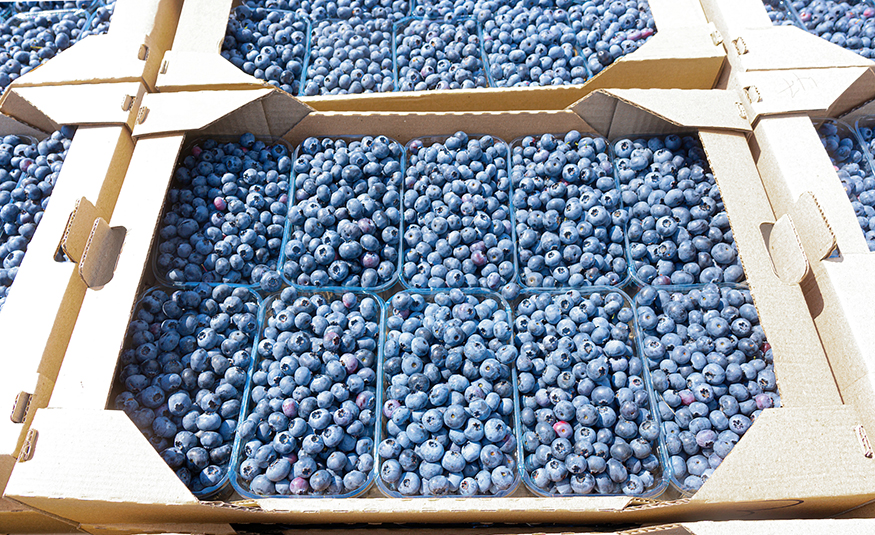
PHOTO: DEPOSIT PHOTOS
PHOTO: DEPOSIT PHOTOS
NJ offers free Jersey Fresh berries for National Blueberry Day
Kimberly Redmond//July 7, 2026//


On National Blueberry Day, the state Department of Agriculture will distribute free pints of Jersey Fresh blueberries to beachgoers at the shore.
To highlight the state’s blueberry industry, the NJDA marketing team will be out July 8 in Wildwood, Atlantic City and Seaside Heights to give away produce.
Blueberries will be available beginning at 11 a.m. until supplies last at the following locations:
- Wildwood: on the boardwalk near Morey’s Piers at the end of East Schellenger Avenue
- Atlantic City: on the boardwalk near Rita’s Water Ice at the end of New York Avenue
- Seaside Heights: along the entire boardwalk

NJDA Secretary Ed Wengryn said, “We are excited that visitors to the Jersey Shore will have this opportunity to sample Jersey Fresh blueberries during National Blueberry Day from our farmers here in the Garden State.”
He went on, “This event has been very popular since starting it in 2021 and we anticipate a high demand for delicious, local, Jersey Fresh blueberries.”
The giveaway is presented in partnership with the New Jersey Blueberry Industry Advisory Council. The state-run, grower-funded organization helps support industry research, marketing and promotional strategies for New Jersey’s blueberry industry.
The business of blueberries
New Jersey is the birthplace of the first cultivated blueberries, in 1916. It is also home to the “Blueberry Capital of the World” in Hammonton.
The state’s blueberry season generally through the end of July. During the height, production can reach 250,000–300,000 crates per day.
New Jersey ranks among the top 10 producers of blueberries in the U.S., according to the U.S. Department of Agriculture.
In 2025, the state harvested almost 50 million pounds of blueberries across 10,900 acres with a production value of $94.4 million. That makes blueberries the No. 1 crop in New Jersey last year, the USDA reported.
Hungry for more? Visit FindJerseyFresh.com to see where blueberries are available locally and to find recipe ideas.
After many farmers across the state experienced devastating crop loss due to an April freeze, NJDA emphasized the importance of supporting local growers this season. The cold snap caused an estimated $300 million in agricultural losses, with fruit and berry crops suffering the most severe damage.
Although the early varieties of blueberries were affected, most crops are now available for purchase in New Jersey, according to the department.