Sign In
Upcoming Event
 Free Newsletter

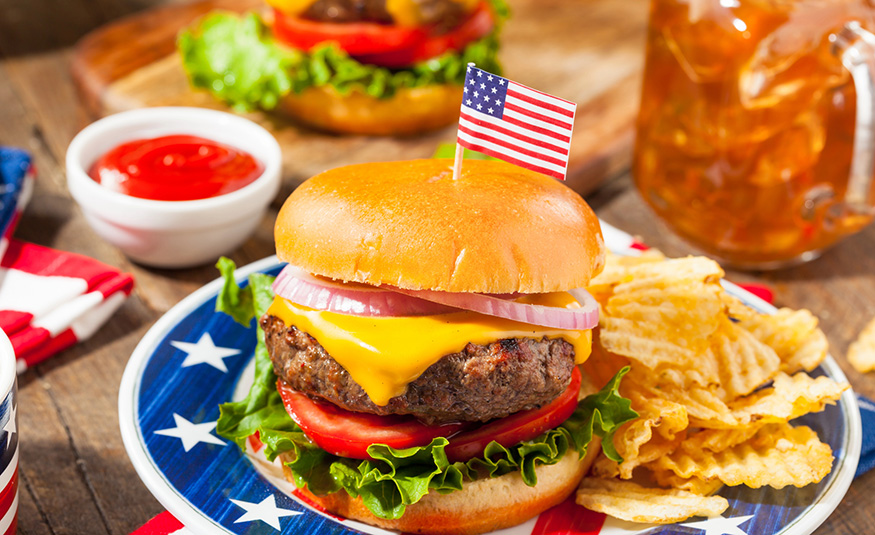
PHOTO: DEPOSIT PHOTOS
PHOTO: DEPOSIT PHOTOS
Summer cookouts get even pricier, Wells Fargo says
Kimberly Redmond//July 2, 2026//


The basics:
- Wells Fargo report: Summer 2026 cookout for 10 now costs about $161, up 2.4%
- Higher beef prices biggest driver of increased costs
- Chicken, pork, some fruits offer lower-cost alternatives
- Consumers plan more at-home gatherings amid staycation trend
It’s going to cost more to fire up the grill this summer, according to a new report by the Wells Fargo Agri-Food Institute.
To host a backyard barbecue for 10 guests, consumers can expect to shell out $161 on food and beverages – a 2.4% increase from last year, the analysis said.
Despite lingering inflation and higher grocery prices, consumers continue to prioritize summer gatherings with family and friends. But they’re also looking to stretch party budgets by shopping sales, switching brands and opting for lower-cost products.
Staycation summer
With many Americans likely skipping long road trips and destination travel in favor of staycations this season, that could mean more guests for at-home gatherings, Wells Fargo analysts believe.
They wrote, “The consumer might have been hoping for even more price relief this summer. Fortunately, wages are growing along with payroll expansion, so expect to see lots of celebrations with great food on the grill.”
“While $16 [per person] may sound like a lot initially, it represents a good value for all the food and beverages needed to host an outdoor celebration,” Wells Fargo said. “… There is no reason not to fill up the grill, but a little strategic planning can save a lot of money.”
For its report, Wells Fargo utilized consumer and industry data from various sources, including market research firm Nielsen, to examine the prices of cookout staples.
There is no reason not to fill up the grill, but a little strategic planning can save a lot of money.
– Wells Fargo analysts
You go, grill
Because hamburger beef is up 14% due to declining cattle herds, those looking to save might consider changing the ratio of the grill with more cost-friendly options like chicken breasts (+3%) or hot dogs (+5%), Wells Fargo said.
Slow cooking pork ribs or pork shoulder could help save money since the year-over-year prices for the former are unchanged and only rose 3% for the latter, the report said.
According to Wells Fargo, side dishes, such as prepared potato salad and cornbread, increased just 3% and 4%, respectively. Eggs – the star of deviled eggs and other favorites – are down 14%, the report noted.
Last year’s lower prices on broccoli, celery and cauliflower have been reversed. All three items are each up 6%, Wells Fargo said. But, snacking tomatoes and baby carrots, increased just 1%, the analysis found.
Sweets & spirits
Compared to 2025, store-bought sweets all cost more – including cookies (1%), ice cream (2%) and apple pie (4%), according to Wells Fargo.

For those looking for a treat not on the dessert table, fruits are really helping with savings this year with strawberries the same as last year and watermelons down 3%, the analysis said.
Beer and wine notched a 1% year-over-year increase while prepared cocktails stayed flat in pricing. However, sparkling water jumped 4.7%, Wells Fargo said.
“Hosts looking to save should consider a BYOB policy for their BBQ to share some of those increased beverage costs with friends and family,” the analysis said.
Getting made
According to Wells Fargo, barbecue hosts should also compare the cost of premade options versus cooking from scratch.
“Picking up a pre-cut vegetable platter eliminates the need to wash and chop multiple items, but typically adds about $7 to your grocery bill. For the main course, fully cooked ribs are a time-saving alternative if you don’t have hours for slow cooking; however, the convenience comes at a premium of roughly $4 more per pound, which can add up for larger gatherings,” the report said.
“When it comes to dessert, per-cookie costs are nearly identical between bakery cookies and premade cookie dough, making the choice largely a matter of convenience versus the appeal of fresh-baked treats,” the analysis added.
Spending time
Amid concerns over inflation and high gas prices, a majority of Americans (57%) plan to spend less on Independence Day this year, according to WalletHub.
Numbers to know:
- 150M Number of hot dogs eaten each July 4
- $4+B Amount Americans plan to spend on July 4 beer and wine
- $2.95B Estimated amount spent on fireworks in 2025
- 66% of fireworks injuries occur within a month of July 4
- $3.9M Value of American flags imported annually
- 72.2M Number of people who travel 50+ miles from home for July 4
– SOURCE: WalletHub
The personal finance website noted that the shift “may result in slower sales and tighter margins” for businesses that sell higher-end goods, like fireworks, branded decorations and specialty food items.
Meanwhile, value-driven and staple products, such as hamburgers, hot dogs and budget-friendly snacks, “are expected to hold up more strongly as consumers look to stretch their dollars without forgoing the celebration entirely,” WalletHub said.
Shelling out to celebrate
Besides coinciding with America’s 250th anniversary, Independence Day falls smack in the middle of the 2026 FIFA World Cup, the National Retail Federation pointed out.
This summer, U.S. consumers are slated to spend $9.4 billion for the July 4th holiday – a 5.6% increase from 2025. Americans will also put $10.8 billion on the World Cup, according to NRF.
NRF Chief Economist Mark Mathews thinks that could lead to some trouble for retailers in the coming months.
While these events are likely to be supportive of retail spending … in many cases they will also compete for what is becoming a stretched dollar.
– Mark Mathews, NRF chief economist
“While these events are likely to be supportive of retail spending (particularly food and beverages), in many cases they will also compete for what is becoming a stretched dollar. With consumers paying high prices for tickets, lodging and gas prices, retail goods might come under pressure as we get deeper into the summer,” he wrote.
“Unless gas prices start to soften, it’s likely that any surplus windfall from tax refunds will likely be offset by energy-related spending by the end of July. Given that wage growth has dipped below the rate of inflation, the consumer might have to start making difficult choices about how to spend their hard earned dollars in the fall,” he said.