Sign In
Upcoming Event
 Free Newsletter


PHOTO: DEPOSIT PHOTOS
PHOTO: DEPOSIT PHOTOS
NJBIZ Looking Ahead 2026: Top business risks in New Jersey
NJBIZ STAFF//January 19, 2026//


As part of the NJBIZ Looking Ahead 2026 special feature, we asked industry leaders across New Jersey: What are the top risks you’re preparing for in 2026—economic, supply chain, geopolitical or something else? Read the Letter from the Editor and other Q-and-A’s here.
Food/hospitality

Amanda Stone
Vice president of public affairs, NJ Restaurant and Hospitality Association
Rising costs across food, utilities, insurance and labor remain the biggest risks, as well as proposals to eliminate the tip wage.
Health care
Debbie Hart
CEO, BioNJ

Looking back at 2025 and ahead to 2026, one of the key lessons is that risk in our industry rarely comes from a single source. The most significant risks we are preparing for in 2026 stem from broader economic pressures and an increasingly complex geopolitical landscape particularly where they affect regulatory policy, global supply chains, funding and patient access. From the Inflation Reduction Act initiating Medicare drug price negotiations this year and renewed interest in Most Favored Nation pricing, to tariffs and the continued influence of pharmacy benefit managers, the policy environment is highly dynamic, with many interdependent moving parts. At the state level, particularly in New Jersey, the risk is less about any one issue and more about the growing gap between rising health care and innovation needs and the resources available to address them, as well as how priorities will be set under the new administration.
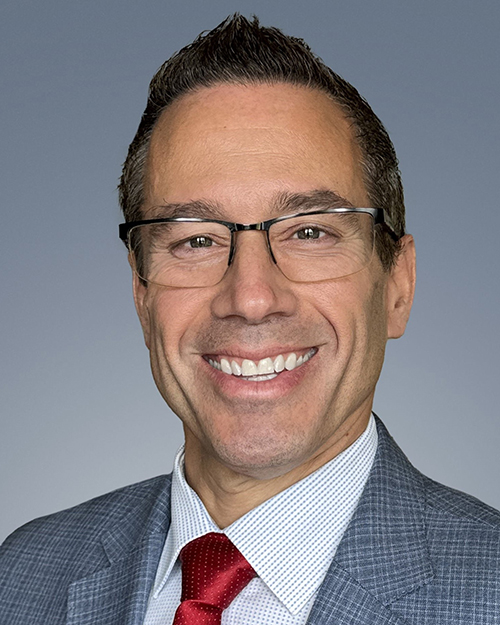
Brian Lawrence
CEO, FellowshipLIFE
Labor shortages and inflation remain the primary risks. Both have a direct impact on access, affordability and service delivery. To mitigate these pressures, we’re focused on workforce development, efficiency, diversified growth and strong partnerships.

Michael Maron
CEO, Holy Name
Economic contraction hitting commercial volumes and philanthropy. Supply chain fragility — especially drugs and specialized components. Cyber threats — the most likely existential risk. Regulatory overreach from Trenton and Washington. Workforce shortages that blunt any growth plans.
Labor

Greg Lalevee
Business manager, IUOE Local 825
Uncertainty and instability in funding — from tariffs massively increasing the cost of construction projects to disappearing federal support for state needs.
Money
George Destafney
Executive vice president and chief commercial real estate officer, OceanFirst Bank
Banks by definition are risks managers, so at OceanFirst we are continually working to manage potential local, national and global risks to operate our business, so we are neutral to potential impacts.
Public relations
Sandy Crisafullli
President, Caryl Communications
Many businesses operate with significant risk exposure or may face unexpected circumstances that can negatively impact their image, operations or stakeholder trust. That subsequently affects sales, customer loyalty, employee retention, recruitment, finances and more. We see crisis communications planning as a top need organizations are prioritizing in 2026. Preparing for the unexpected in advance is vital to being effective and well-positioned when an adverse event hits.
Real estate

Bill Hassan
Executive vice president, CBRE
Supply chain: everything from chips all the way through to the electrical generation from the utilities. The lack of these components will keep [the data center] industry from progressing and growing to meet demand.

David Greek
Managing partner, Greek Real Estate Partners
The top risks we’re preparing for in 2026 center on uncertainty around trade policy and geopolitics, which continues to affect supply chains and delay decision-making for manufacturers and logistics users. Shifting tariffs and national security considerations create hesitation around long-term investments and facility commitments. We’re also focused on energy and power availability, particularly in New Jersey, where limited generating capacity and reliance on imported electricity pose long-term cost and reliability risks. In addition, tenant credit and operational risk remain important considerations as the market continues to rebalance.

Tim Greiner
Executive managing director, Leasing Advisory, JLL New Jersey
The biggest risk we are preparing for is interest rates remaining at historically high levels relative to the past 15 years.
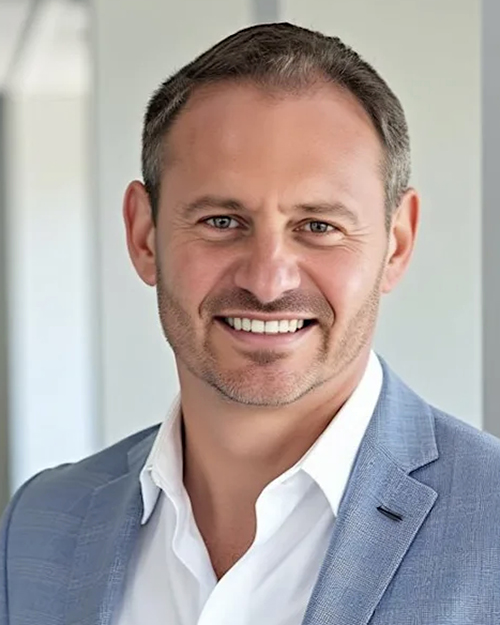
Rob Kossar
Vice chairman, JLL Northeast Industrial
We’re cautiously optimistic, but there are several risks we’re watching. On the economic front, persistent inflation or an unexpected recession could quickly slow tenant expansion plans. Changes in trade policy could disrupt the reshoring and nearshoring trends that have been driving industrial demand. Geopolitically, trade tensions and potential disruptions in key shipping lanes remain concerns. And if inflation reaccelerates and interest rates rise unexpectedly, that could slow development and capital deployment, creating new imbalances.
Retail

Michael Stigers
Wakefern
Independent grocers continue to face challenges and risks including increasing operating costs, supply chain pressures and inventory management risks; shrink and theft; and slim margins. We believe our cooperative structure helps members tap into shared strengths to hedge risk, meet challenges and stay prepared for the future. By maximizing our expertise and offering robust backend services we can support our member companies and wholesale clients through difficult environments. Our members also represent family-owned businesses embedded in their communities. They understand local needs and can pivot quickly — an advantage in uncertain times.