Sign In
Upcoming Event
 Free Newsletter

PSEG ready for another ‘above-average’ hurricane season
Dawn Furnas//June 10, 2022//


Forecasters are predicting above-average activity for this year’s hurricane season, which spans June 1 through Nov. 30, but PSEG said it is ready for the potential storms and has tips for how its customers can prepare, too.
Ten years after Superstorm Sandy hit the Jersey Shore and coastal areas of New York, PSEG said its continual upgrades to the utility’s infrastructure have led to fewer outages and strong reliability performances for 2021.
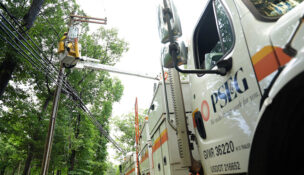
In a June 9 statement, the Newark-based utility company said its $4.8 billion investment in infrastructure strengthening and modernization programs, some ongoing, includes raising, rebuilding, eliminating and equipment upgrades at 26 stations, many of which were damaged by flooding during Sandy. PSEG also installed smart grid technologies, replaced about 2,000 miles of aging gas lines and added digital and other technologies to improve the network.
PSEG’s hurricane-preparation tips:
- Create an emergency kit including a battery-powered radio, alarm clock, flashlights, batteries, bottled water and nonperishable food.
- Charge cellphones, tablets, power backups and other mobile devices.
- Stay informed with PSEG’s MyAlerts.
- Register life-sustaining equipment needs with PSEG by completing the Critical Care Application in advance of storms.
- Secure outdoor objects such as garbage cans and patio furniture, to prepare for wind or flooding.
- Turn off power to natural gas appliances and supply valves. If you must evacuate, shut off the gas valve at the meter before leaving.
- Learn how to operate backup generators properly before the storm hits. Never use a generator or other fuel-powered machines inside. (Generators can produce 100 times more carbon monoxide than a car.)
The company pointed to the numbers as proof of its network improvements: When Tropical Storm Ida hit in August 2021, 215,000 customers in its service area lost power compared with more than 2 million who experienced outages during Sandy.
Other improvements include upgraded lines and the installation of more redundant circuits so that if a portion of a line gets damaged, the utility can prevent an outage by using another electrical pathway.
However, PSEG still wants its customers to be prepared.
“We’re expecting this hurricane season to be another busy, potentially dangerous one with more major storms, so we urge customers to make plans and prepare now,” Kim Hanemann, PSEG president and chief operating officer, said in a statement.
PSEG added that Colorado State University meteorologists predict there will be 20 named storms this year, including four major hurricanes. In 2021, there were 21 named storms, making it the sixth consecutive year of above-average hurricane activity.
“The work we began a decade ago is paying off – fewer customers are experiencing outages and when they do occur, we can restore power more quickly,” Hanemann added. “Continuing these investments to protect our customers from extreme weather is fundamental to our Powering Progress vision of a future where people use less energy, and it’s cleaner, safer and delivered more reliably than ever.”