Sign In
Upcoming Event
 Free Newsletter

SJI’s Linden renewable natural gas project tops 1M safe work hours
Matthew Fazelpoor//July 13, 2026//
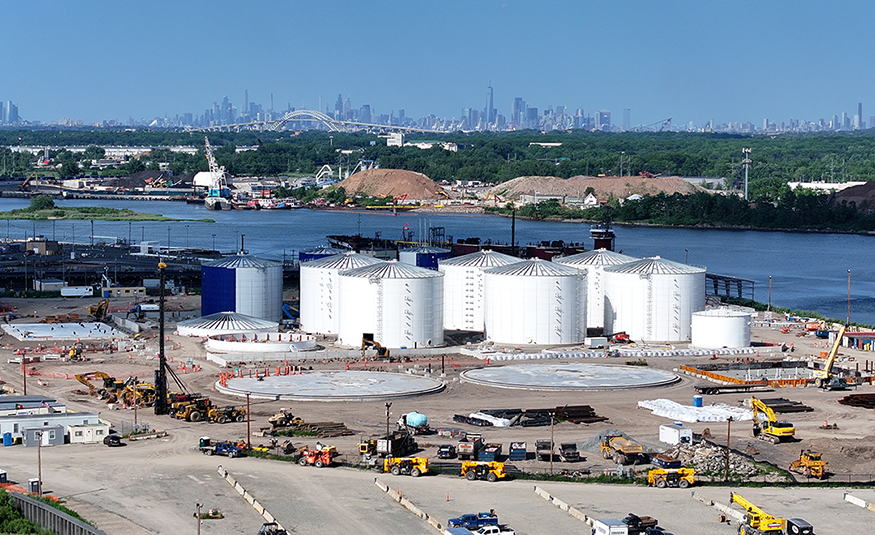
SJI's flagship Linden Renewable Energy project. - PROVIDED BY SJI
SJI's flagship Linden Renewable Energy project. - PROVIDED BY SJI
SJI’s Linden renewable natural gas project tops 1M safe work hours
Matthew Fazelpoor//July 13, 2026//


Construction of the Linden Renewable Energy facility has surpassed 1 million work hours without a lost-time injury. The major milestone comes as the renewable natural gas project moves closer to completion later this year.
SJI is developing the project with partners Captona and RNG Energy Solutions LLC. According to the utility, approximately 400 union contractors continue to work on the site each day. With all major equipment now installed, construction has shifted to piping and electrical work.
NJBIZ has previously reported on the Linden facility. Once operational, it is expected to become one of the largest food waste-to-renewable natural gas projects in the country. The site will convert organic waste into pipeline-quality renewable natural gas to inject directly into the Elizabethtown Gas system.
Chet Benham, president of SJI Renewable Energy Ventures, described reaching 1 million man-hours as a “remarkable testament to the dedication, safety culture, and training of our construction partners and site management team.”
“This project represents a monumental step forward in delivering sustainable energy solutions,” said Benham. “Not only will it significantly advance waste management for the New York/New Jersey metro area, but it will also provide our communities with cleaner and more reliable renewable natural gas.”

Waste not
According to SJI, the facility will process organic slurry from up to 850 tons of food waste per day. The site will help North Jersey, New York City and the surrounding region meet organic waste diversion requirements.
The project is expected to produce approximately 3,783 MMBtu of renewable natural gas daily — enough energy to replace the equivalent of 30,200 gallons of gasoline each day.
Project stakeholders estimate the facility also will prevent the equivalent of approximately 120,000 metric tons of carbon dioxide emissions annually by diverting organic waste from landfills. In addition, the anaerobic digestion process will generate 200-to-300 cubic yards of digested solids per day. The RNG facility will sell the output as a natural soil amendment alternative in place of chemical fertilizers.
Beyond Linden, SJI said it is advancing additional renewable natural gas projects in Atlantic and Burlington counties through its joint venture with OPAL Fuels. Those facilities are expected to produce a combined 1.45 million MMBtu of renewable natural gas annually. That endeavor will replace the equivalent of more than 11 million gallons of gasoline each year, according to the company.