Sign In
Upcoming Event
 Free Newsletter

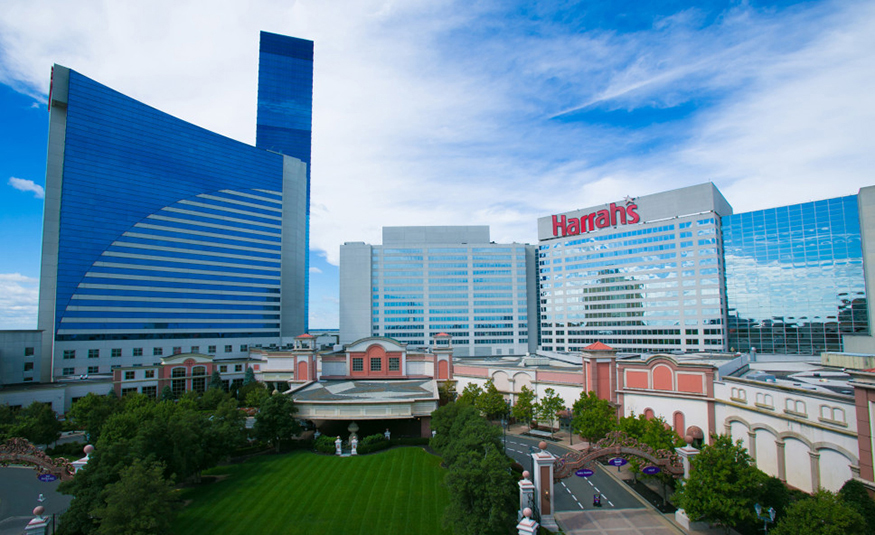
Harrah's Atlantic City - PROVIDED BY CAESARS ENTERTAINMENT/VISIT ATLANTIC CITY
Harrah's Atlantic City - PROVIDED BY CAESARS ENTERTAINMENT/VISIT ATLANTIC CITY
Fertitta-Caesars deal could reshape Atlantic City casinos
Matthew Fazelpoor//June 1, 2026//


The basics:
- $17.6B deal would combine Caesars, Fertitta Entertainment
- Four Atlantic City casinos would fall under common owner
- Regulators expected to review ownership concentration concerns
- Deal expands Fertitta’s NJ sports betting and online gaming footprint
The proposed $17.6 billion acquisition of Caesars Entertainment by Fertitta Entertainment would create one of the largest gaming and hospitality companies in the country. Now, the stage is set for regulatory review of the deal that would bring several Atlantic City casinos under common ownership.
NJBIZ previously reported on the May 28 announcement. Under the agreement, Fertitta Entertainment would acquire Caesars in an all-cash transaction. The combination would bring Caesars’ portfolio of roughly 60 casino resorts and gaming properties together with Fertitta’s hospitality empire, which includes Landry’s restaurants, entertainment venues and the Golden Nugget casino brand.
In New Jersey, the deal would place four Atlantic City casino properties under the same ownership umbrella: Caesars Atlantic City, Harrah’s Resort Atlantic City, Tropicana Atlantic City and Golden Nugget Atlantic City.

Brian Tyrrell is a professor of Hospitality and Tourism Management Studies at Stockton University. He expects regulators to closely examine whether that concentration complies with New Jersey law.
“If the merger between Fertitta Entertainment and Caesars Entertainment proceeds similarly to the 2020 merger between Eldorado Resorts Inc. and Caesars Entertainment, we can expect some debate over whether this meets the terms of the ‘undue economic concentration’ clause in the Casino Control Act,” said Tyrrell, incoming faculty director of Stockton’s Lloyd D. Levenson Institute of Gaming, Hospitality and Tourism.
“Whether the Federal Trade Commission and local Atlantic City regulators ultimately approve the merger will depend on what Fertitta Entertainment says that they are going to do,” said Tyrrell.
Big deal, but no big changes
The issue is not without precedent.
Tyrrell noted the Eldorado-Caesars combination in 2020. That deal established brief control of four of Atlantic City’s nine casinos before Bally’s was sold to another operator. He also pointed to the mid-1980s, when Donald Trump was simultaneously developing the Taj Mahal and then acquired a controlling stake in Resorts International. That move also would have concentrated four casino properties under common ownership. However, Resorts International was ultimately sold.
Despite the potential ownership concentration, Tyrrell said the transaction does not necessarily signal major operational changes for Atlantic City’s casino market.

“The Golden Nugget and the three Caesars properties (Harrah’s Atlantic City, Tropicana Atlantic City and Caesars Atlantic City) are distinct in their brand identities so it will be interesting to see which if not all of them Fertitta chooses to continue operating and how that will impact brand promises such as free parking at Golden Nugget,” said Tyrrell.
Beyond the casino floor, the acquisition would also expand Fertitta’s presence in New Jersey’s sports betting and online gaming sectors.
Healthy competition
Caesars operates retail Caesars Sportsbook locations at its Atlantic City casinos and Monmouth Park. Meanwhile its Caesars Sportsbook mobile platform is among the state’s established online wagering brands. The company also maintains an iGaming presence through Caesars Palace Online Casino and Horseshoe Online Casino.
The roster gives Fertitta ownership of a substantial digital gaming portfolio in one of the nation’s most competitive regulated markets.

Tyrrell said the distinct identities of Caesars’ Atlantic City properties could help preserve their positions in the marketplace.
“Each of the properties in the current Caesars Entertainment portfolio in Atlantic City has a unique brand and target market, so as long as they are making a profit, it is not a given that any one casino will close because of the acquisition. The biggest threat to a possible casino closure at this time is the potential impact of New York casinos and the possibility of North Jersey casinos,” said Tyrrell.
Each of the properties in the current Caesars Entertainment portfolio in Atlantic City has a unique brand and target market … The biggest threat to a possible casino closure at this time is the potential impact of New York casinos and the possibility of North Jersey casinos.
—Brian Tyrrell, Stockton University
Consumer advocates often raise concerns when a single company gains greater market share within a region. Particularly regarding pricing and promotional competition. However, Tyrrell believes Atlantic City’s increasingly competitive regional landscape could limit those risks.
Staying in AC
A recent FDU Poll found that New Jersey voters remain firmly opposed to expanding casino gambling beyond Atlantic City. Find out more here.
“A typical concern of one company operating many properties in a geographic area is that it could reduce competition, which may lead to increased prices for consumers or decreases in promotional offers. However Atlantic City casinos not only compete with each other but also with casinos in Pennsylvania, Maryland, New York and Delaware. So, they will still need to remain competitive,” said Tyrrell.
Employee efficiencies?
The acquisition could also raise questions about the future of the casino workforce. While mergers often result in administrative consolidation, Tyrrell said certain employees are less likely to be affected.
“Whenever two companies merge or one acquires the other, there are often efficiencies that can be gained by consolidating positions at the highest levels of management. However, front-line employees are still needed to run the day-to-day operations in the casinos, food and beverage, hotel, and entertainment venues. So, they are the least likely to be consolidated,” said Tyrrell.
That assessment aligns with Caesars’ announcement that it expects its current leadership team to remain in place following the transaction, including CEO Tom Reeg. “… [S]o any potential impacts to management positions may not take place in the near term,” said Tyrrell.
The transaction remains subject to shareholder approval and regulatory reviews in multiple jurisdictions.
Caesars also has a go-shop period through July 11, during which it can solicit and evaluate competing proposals.
If completed, the deal would take Caesars private. It would also create a combined gaming, hospitality and entertainment company with a significant presence in Atlantic City, a growing footprint in New Jersey’s sports betting and online gaming markets, and operations spanning the United States.