Sign In
Upcoming Event
 Free Newsletter

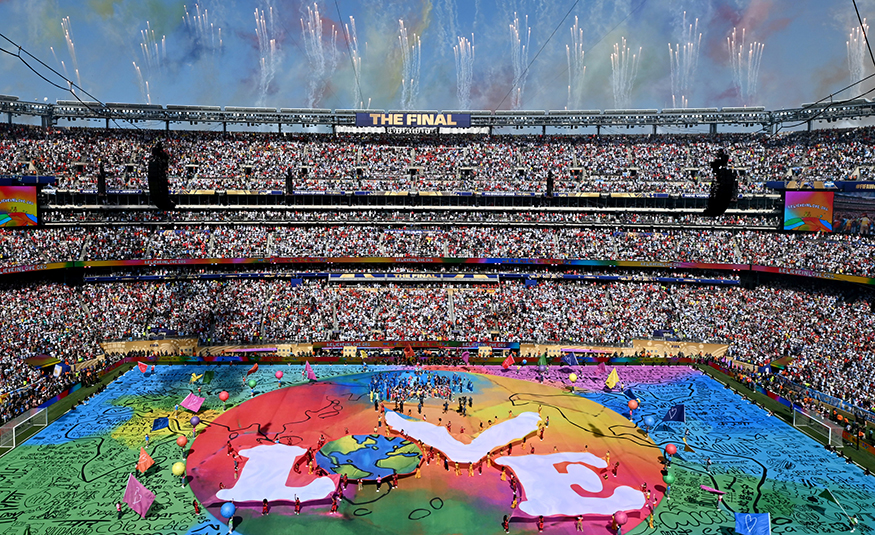
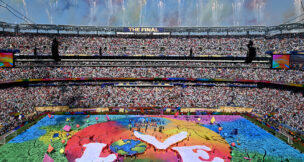
The FIFA World Cup 2026 Topps Final Halftime Show at MetLife Stadium (New York New Jersey Stadium for the tournament) on July 19, 2026, in East Rutherford. - PHOTO BY EUGENE GOLOGURSKY/GETTY IMAGES FOR GLOBAL CITIZEN/PROVIDED BY GLOBAL CITIZEN
The FIFA World Cup 2026 Topps Final Halftime Show at MetLife Stadium (New York New Jersey Stadium for the tournament) on July 19, 2026, in East Rutherford. - PHOTO BY EUGENE GOLOGURSKY/GETTY IMAGES FOR GLOBAL CITIZEN/PROVIDED BY GLOBAL CITIZEN
World Cup 2026 generates $3.5B in NJ, NY
Dawn Furnas//August 27, 2026//


The basics:
- 2026 FIFA World Cup generated $3.5B in regional impact
- Tournament supported 27,424 jobs across NJ, NY
- Regional businesses received $1.9B in direct spending
- State, local governments collected $414.2M in tax revenue
The final score is in: The FIFA World Cup 2026 generated $3.5 billion in total economic impact across New Jersey and New York.
The New York New Jersey Host Committee announced the tally Aug. 26. “The Economic and Fiscal Impact of the 2026 FIFA World Cup on the New York and New Jersey Region” study was prepared by Tourism Economics, an Oxford Economics company.
The total exceeds the original estimate of $3.3 billion, forecast in July 2025.
The final report concluded that regional World Cup activity:
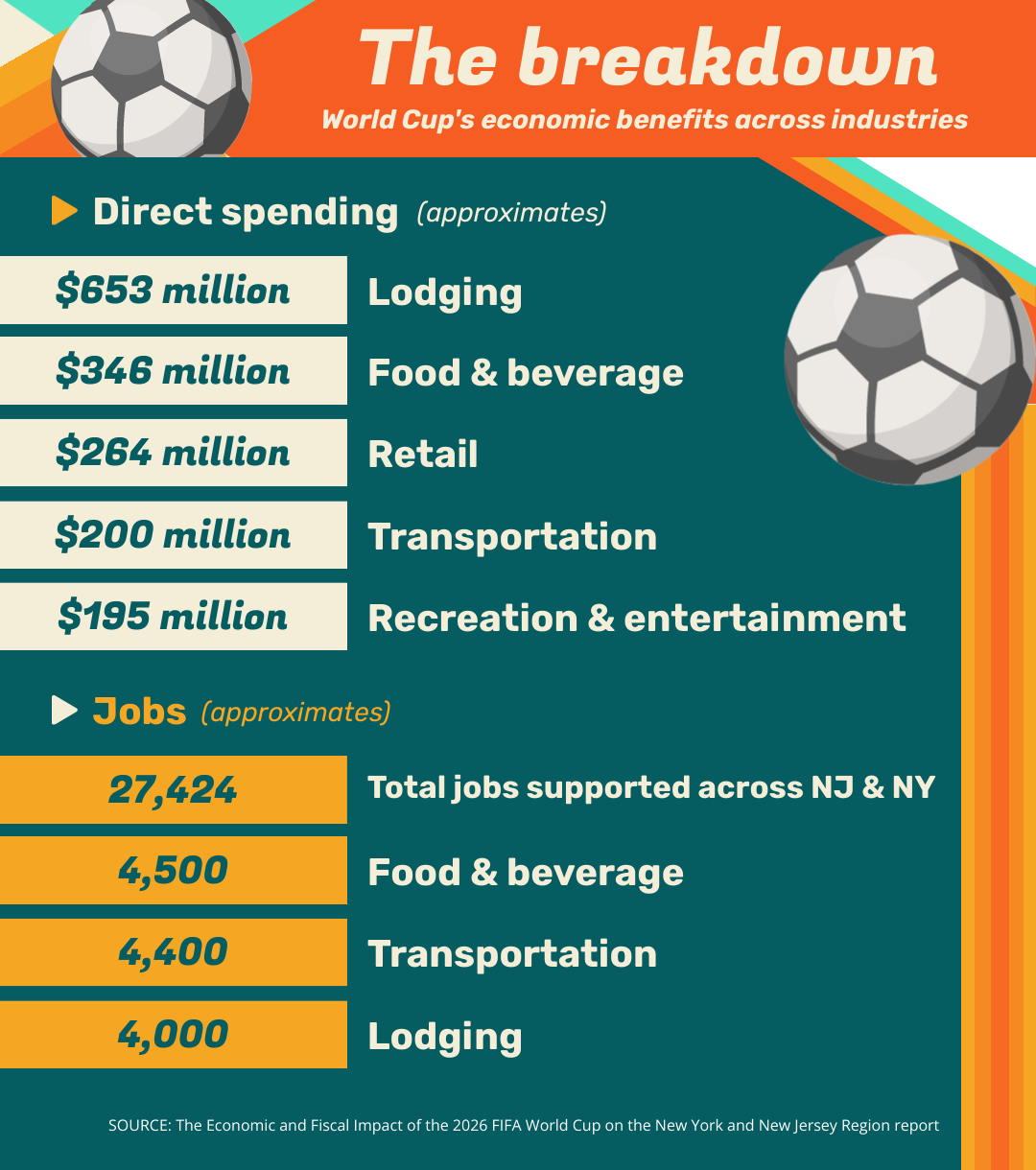
- Generated approximately $1.9 billion in direct spending
- Supported 27,424 total full- and part-time jobs
- Generated approximately $1.4 billion in total labor income
- Generated $414.2 million in total state and local tax revenues
MetLife Stadium – known as New York New Jersey Stadium for tournament – hosted eight World Cup matches, including the Final. Spain defeated Argentina 1-0 to win the 2026 trophy.
An earlier estimate noted that the tournament’s five group-stage matches in June generated $1.2 billion in direct visitor spending and a total economic impact of $2.1 billion.
The region delivered
“The final numbers demonstrate that New York and New Jersey didn’t just rise to the occasion — we exceeded expectations and delivered an impact that will be felt long after the final whistle,” said Alex Lasry, CEO of the NYNJ Host Committee.

“Billions of dollars flowed through our hotels, restaurants, small businesses and communities, tens of thousands of jobs were supported, and people across the region shared in the benefits of welcoming the world,” Lasry added.
Lasry noted that the lasting impact of the tournament will continue benefiting communities through “investments, partnerships and global visibility.”
More than 645,000 fans attended the region’s eight World Cup matches, according to officials. An additional 626,300 non-local visitors traveled to the region to participate in World Cup-related activities.
We are the world
“This summer, we showed the very best of New Jersey to the world, and that New Jersey, with people from every corner of the globe, is the world. I am incredibly proud that we delivered an exciting, successful World Cup,” said New Jersey Gov. Mikie Sherrill.
The governor added that more than 300,000 fans attended grant-supported community events around the state.
New York Gov. Kathy Hochul also said the tournament “left a lasting impact” on the Empire State. She pointed to increased spending at local businesses and higher hotel revenues.
Additionally, the Host Committee’s Welcome World Rewards Program helped drive more than 10,000 visits to participating small businesses, restaurants and community destinations across the region.
“From the first match through the World Cup Final, we showed that New Jersey has the infrastructure, workforce, diversity, and hospitality to bring people together and successfully host events of this scale,” Sherrill said. “The impact reached far beyond the stadium, supporting local businesses, jobs, and economic activity across our state.”